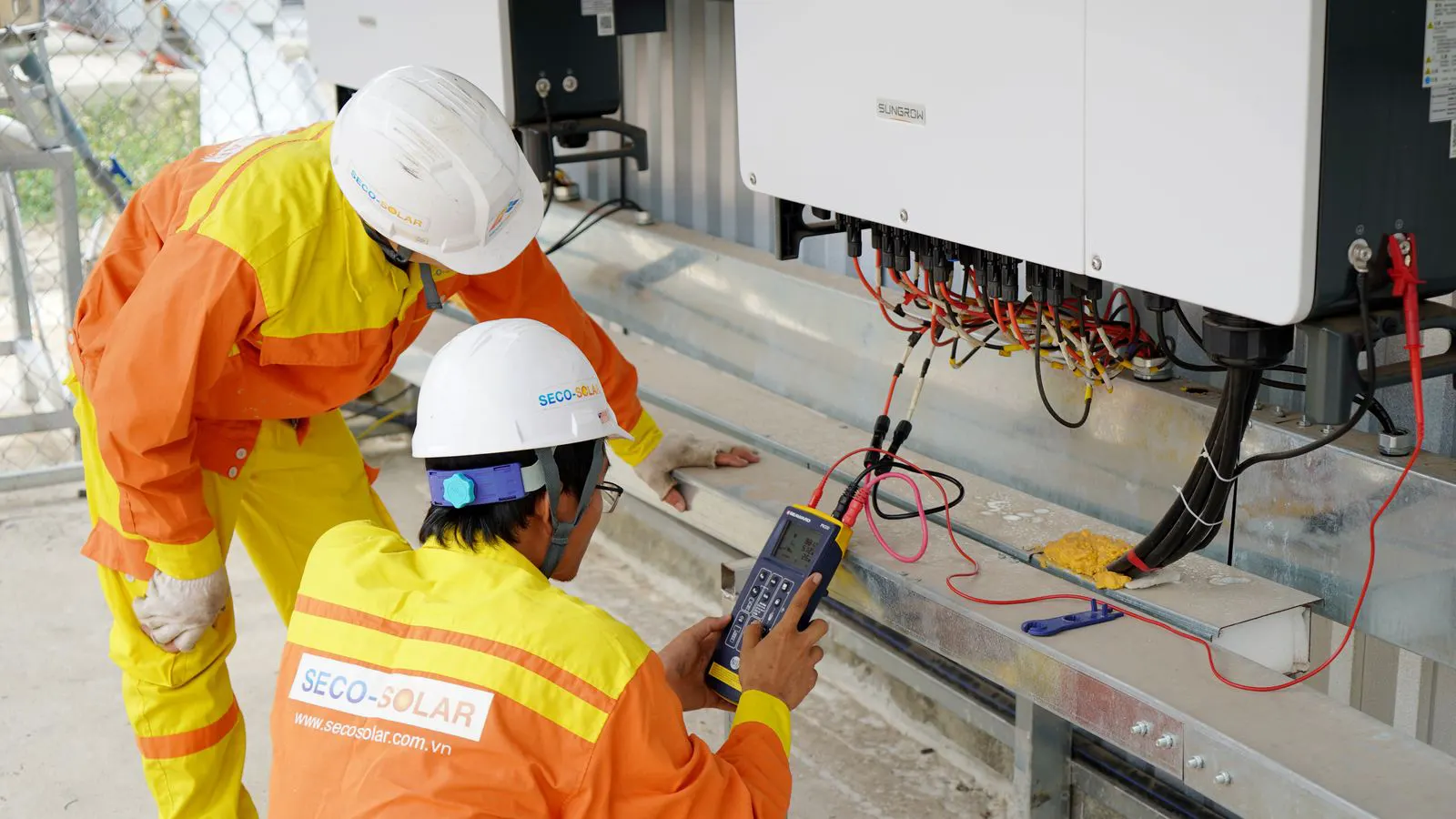
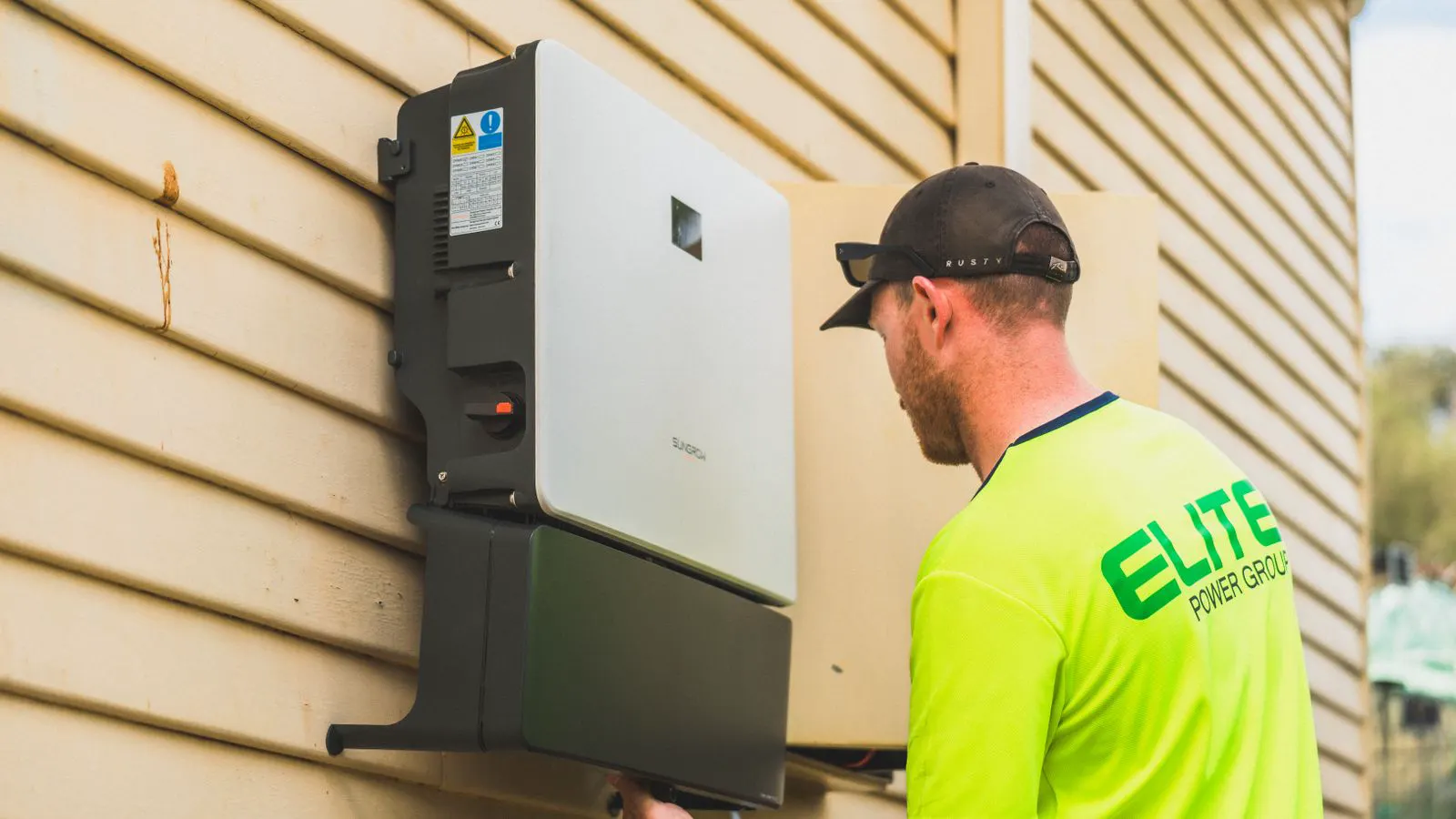
Cost and Lead Time for Grid-Compliant Inverter Certification
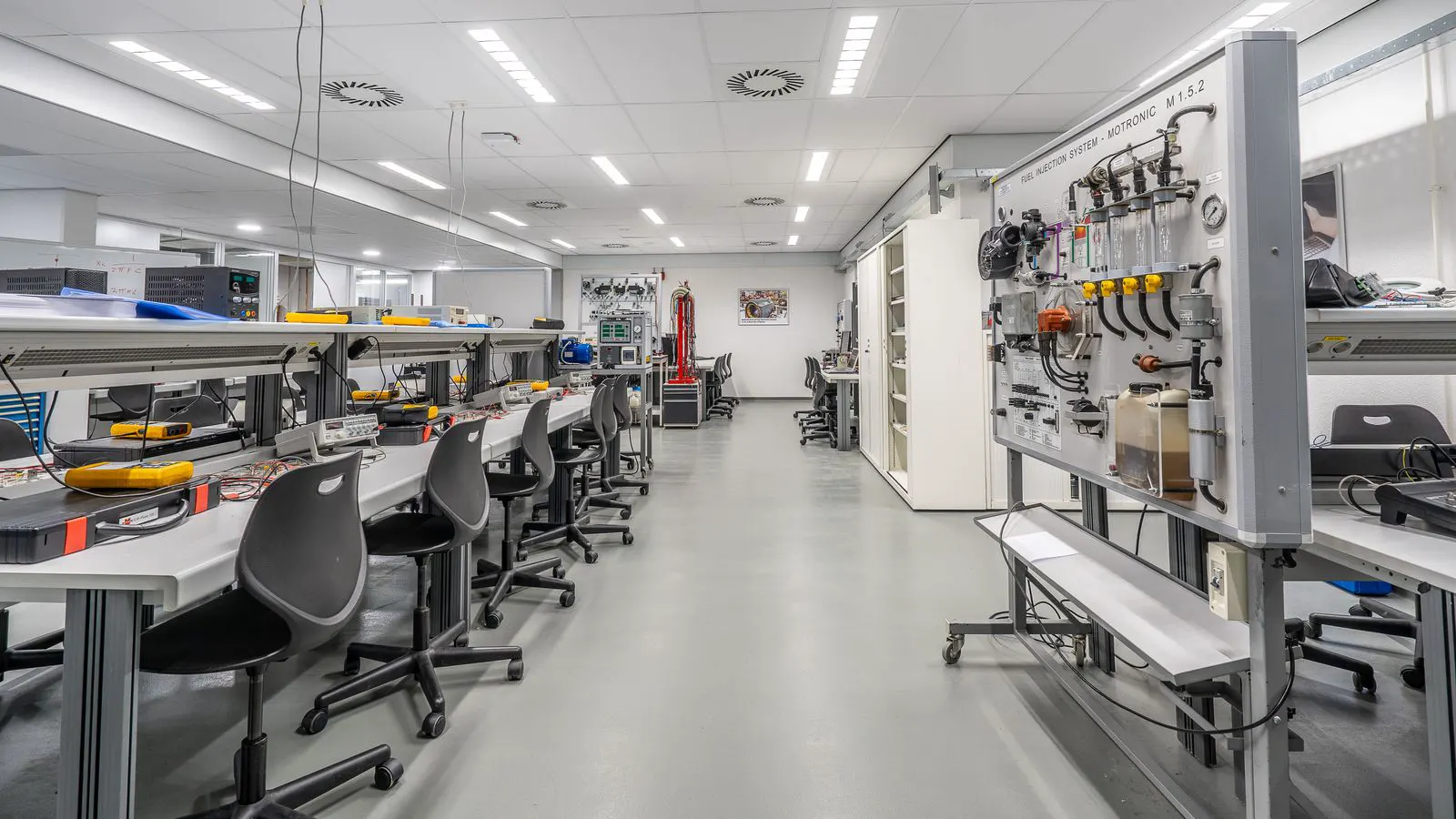
Certification costs and inverter lead time depend on test lab selection, regional grid code requirements, and documentation depth. Buyers should budget for pre-test engineering and schedule buffer for import re-testing. This guide explains how to estimate these variables and structure a fair RFQ.
- Certification costs vary widely based on the number of required test parameters and the specific grid code region.
- Inverter lead time often extends when imported units fail re-testing or require updated firmware for local standards.
- A clear RFQ should specify exact test protocols, documentation needs, and acceptance criteria to avoid quote mismatches.
- Budgeting for pre-test engineering can reduce overall project delays and avoid costly rework.
- Compare quotes by itemizing lab fees, engineering support, and certification body charges for fair evaluation.
Grid-compliant inverter certification introduces two major variables into procurement planning. The first is the cost of certification, which covers laboratory testing, engineering support, and certification body fees. The second is the inverter lead time, which extends when units must pass re-testing or when documentation requires revision. Both factors directly impact project budgets and construction schedules.
Buyers often underestimate these impacts because certification appears to be a simple formality. In practice, it is a technical process that requires precise coordination between the inverter manufacturer, the test laboratory, and the certification body. The cost-lead-time relationship is not fixed. It shifts based on the target market, the complexity of the grid code, and the readiness of the product documentation.
What drives certification costs?
Certification costs break into three main categories. Laboratory testing fees depend on the number of test parameters. Each grid code requires specific checks for fault ride-through, anti-islanding, power factor correction, and communication protocols. More parameters mean more test hours. Test hours multiply into labor costs.
Engineering support costs cover the work needed to prepare the inverter for testing. This includes firmware updates, control logic adjustments, and data logging setup. If the inverter control system does not match the target grid code, engineers must modify the firmware. These modifications take time and cost money.
Certification body fees are fixed by the agency. They cover the administrative process, document review, and issuance of the certificate. Some bodies charge per unit or per model. Others charge a flat fee per certification type. The difference between a simple CE marking and a full UL 1741 listing can be significant.
A table of cost drivers helps buyers understand where money goes. The following table lists the main variables that affect certification costs.
| Cost Driver | Description |
|---|---|
| Test Parameters | Number of required grid code checks |
| Firmware Updates | Engineering work to meet local standards |
| Lab Hours | Time spent on physical testing |
| Certification Type | Basic mark vs. full safety listing |
| Documentation Depth | Technical manual and test report detail |
How does inverter lead time change?
Inverter lead time extends when certification requires re-testing. This happens when an imported inverter fails a specific check. For example, a unit may pass the initial UL test but fail a local grid code check for voltage ride-through. The manufacturer must fix the control logic, send a new firmware image, and re-test the unit. This cycle adds weeks to the delivery schedule.
Another factor is the availability of test slots. Popular test laboratories have waiting lists. If a buyer requests testing during a peak season, the wait time increases. The inverter lead time includes the time for shipping units to the lab, the actual testing duration, and the time for the certification body to review results.
Buyers should distinguish between the factory lead time and the certification lead time. The factory lead time is the time to produce the physical inverter. The certification lead time is the time to complete the testing and documentation. If a project requires a certified unit for grid connection, the certification lead time is the critical path.
A numbered list shows the typical stages that affect delivery time.
- Documentation review by the certification body
- Pre-testing and firmware updates at the manufacturer
- Shipping units to the test laboratory
- Physical testing and data collection
- Report review and approval
- Certificate issuance and import documentation
How to write a clear RFQ
A clear RFQ reduces ambiguity and prevents quote mismatches. Buyers should specify the exact grid code they need. Do not just say “grid compliant.” Name the specific standard or local utility requirement. For example, specify the voltage ride-through window, the power factor range, and the communication protocol.
The RFQ should also specify the certification type. A CE mark is different from a UL 1741 listing. Different regions require different marks. The buyer should state which mark is required for their project. This prevents the supplier from quoting a lower-cost option that does not meet the actual requirement.
Include the expected quantity in the RFQ. Some certification bodies charge per unit. Others charge per model. The quantity affects the total cost. If the buyer expects to order 500 units, the cost structure is different from ordering 50 units. The RFQ should also include the target delivery date. This forces the supplier to provide a realistic timeline.
Do not ask for “best price.” Ask for an itemized quote. The quote should list laboratory fees, engineering support, certification body fees, and any other costs. This allows the buyer to compare quotes fairly. A lower total price might hide a higher engineering cost or a longer lead time.
How to compare quotes fairly
Comparing quotes requires looking beyond the total price. Two suppliers may quote the same total amount, but the breakdown may be different. One quote might have low lab fees but high engineering support. Another might have high lab fees but low engineering support. The buyer must evaluate the total cost and the risk.
Lead time is a hidden cost in quotes. A supplier with a longer lead time may offer a lower price. But if the project has a strict deadline, the lower price is irrelevant. The buyer should weight the lead time based on the project schedule. If the grid connection date is fixed, the certification lead time is the critical factor.
The RFQ should require the supplier to state the expected lead time in writing. This creates a contractual obligation. If the supplier misses the lead time, the buyer has a basis for discussion. Do not rely on verbal promises. Put the lead time in the quote.
How to budget for certification
Budgeting for certification requires a buffer. Certification costs can increase if the inverter fails a test. The first attempt may pass, but subsequent attempts cost extra. The buyer should budget for at least one re-test cycle. This is a standard practice in technical procurement.
The budget should also include the cost of documentation. The inverter technical manual must be translated and formatted for the target market. The test report must be in the local language. These costs are often overlooked. They add to the total certification cost.
The procurement budget should separate certification costs from hardware costs. This makes it easier to track the financial impact of the certification. If the certification costs increase, the buyer can adjust the hardware budget or the project margin. Keeping the two separate provides clarity.
The cost-lead-time estimate is a moving target. It changes as the project progresses. The buyer should review the estimate at each stage. If the inverter firmware changes, the certification may need to be redone. If the grid code changes, the test parameters may change. The estimate must be updated to reflect these changes.
Final considerations
Certification is a technical process, not a paperwork task. It requires engineering work, laboratory testing, and regulatory review. The cost and lead time depend on the specifics of the inverter and the target market. Buyers who understand these variables can plan their budgets and schedules more accurately.
The key is to be specific in the RFQ. Specify the grid code, the certification type, and the expected quantity. This allows the supplier to provide a realistic quote. Compare quotes by itemizing the costs and the lead times. Do not rely on the total price alone. Look at the breakdown.
The cost-lead-time impact is manageable with proper planning. Budget for re-testing. Schedule buffer for import re-testing. Keep the documentation current. These steps reduce the risk of delays and cost overruns. A clear understanding of the certification process allows buyers to make informed purchasing decisions.
Frequently asked questions
What is the main factor that affects certification costs?
The number of required test parameters is the main factor. Each parameter adds to the laboratory testing time and labor costs.
How can I reduce inverter lead time?
Pre-testing the inverter at the manufacturer facility can reduce the time at the test laboratory. This allows the manufacturer to fix issues before shipping.
What should I include in my RFQ for certification?
Include the specific grid code, the certification type, the expected quantity, and the target delivery date. This helps the supplier provide an accurate quote.
Can I compare certification quotes directly?
Yes, but you must itemize the costs. Compare the laboratory fees, engineering support, and certification body fees separately to see the true cost structure.
How much buffer should I budget for certification?
Budget for at least one re-test cycle. This covers the cost of fixing a failed test and re-testing the unit. The buffer amount depends on the complexity of the inverter.