
Choosing a Supplier
Checklist: Verifying Supplier Service Coverage
Verify supplier service coverage by mapping the field service network, confirming technical support locations, and testing response times. This checklist helps

Clear, independent inverter selection and installation guidance
Buyers must match inverter topology to site constraints, export rules, and maintenance access. This site covers string, hybrid, and microinverter selection, sizing methods, and the technical checks that affect lifetime cost. It explains how to read datasheets, verify certifications, and evaluate supplier reliability before placing an order.
Content is structured around the decisions engineers and project managers actually make. It covers grid code compliance, monitoring integration, and lead time planning. Each section focuses on a specific decision point, from selecting a string inverter for a large array to choosing a hybrid unit for off-grid resilience.
Start with the stage of the sourcing process you are in.
Compare central and string inverter architectures, efficiency factors, and installation options for utility-scale and commercial solar.
Review hybrid, off-grid, and backup inverter capabilities, battery integration, and power management for standalone systems.
Evaluate microinverter technology, module-level power electronics, system design trade-offs, and performance in shaded or mismatched arrays.
Apply sizing methods, inverter-to-array ratio guidance, and selection criteria for voltage, power, and load profiles.
Understand grid connection requirements, certification marks, and compliance expectations for commercial and residential solar
Learn how inverter telemetry, string monitoring, and platform reporting support performance tracking, faults, and O&M for solar assets.
Apply evaluation criteria for inverter suppliers, including technical support, service coverage, warranty, and total cost of ownership.
Verify supplier service coverage by mapping the field service network, confirming technical support locations, and testing response times. This checklist helps

This checklist helps operators verify that every solar monitoring data source is connected correctly and reporting accurately. It covers telemetry paths, sensor

To secure better coverage, prepare technical specifications, review liability clauses, and request extended parts and labor coverage. Negotiate response times and

A strong solar monitoring platform must integrate with your inverter fleet, provide accurate telemetry, and scale with asset growth. This guide outlines the technical
Set power priority by defining the source order for charging and discharging. Configure voltage limits and battery protection thresholds in the inverter menu. Verify
Third-party service mishandling of inverter warranty claims often stems from unclear scope or poor documentation. Use a structured triage process to verify fault codes
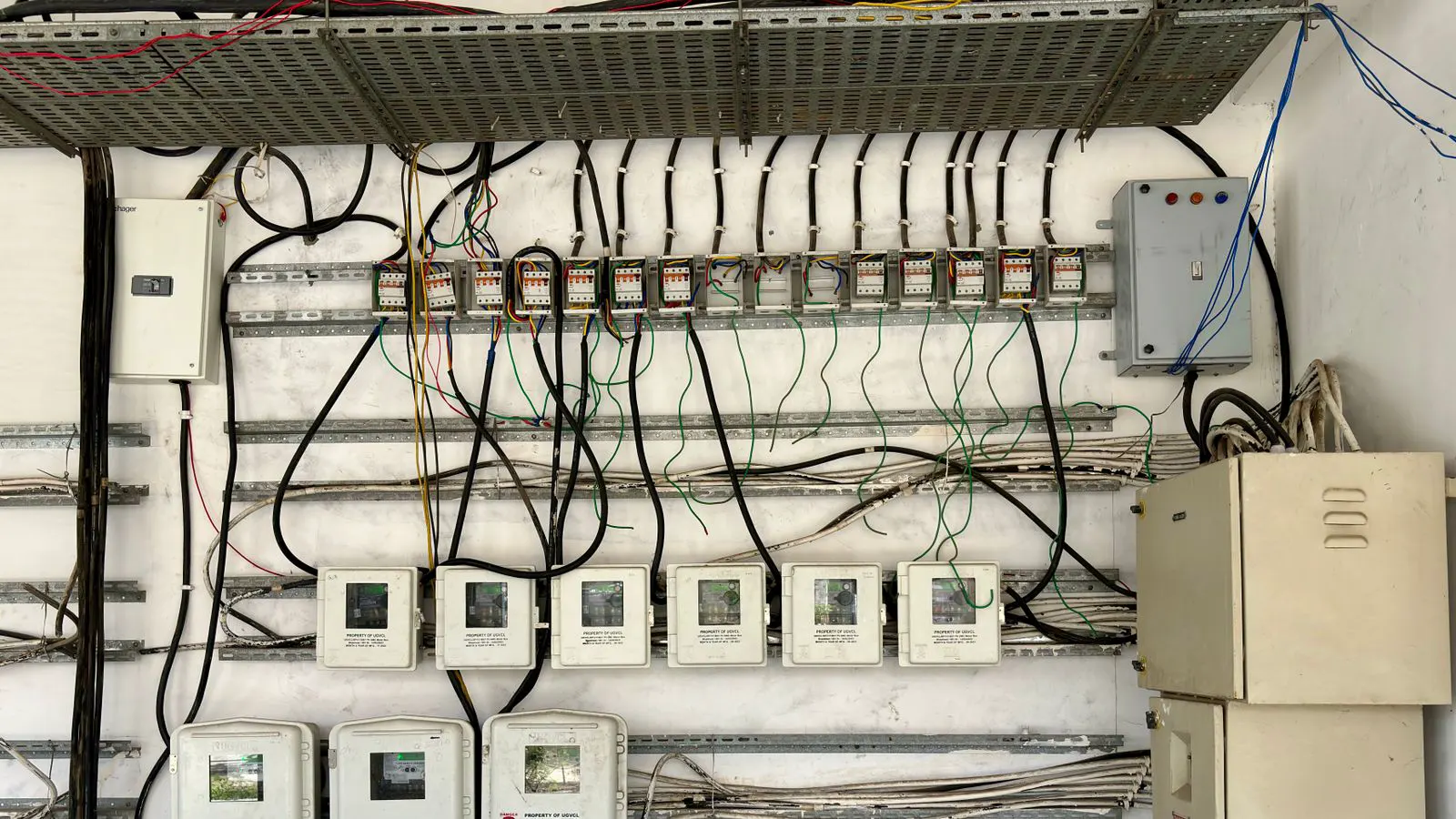
Grid-code certified string inverters cost more and take longer to order than standard units. Procurement teams must factor in certification fees, compliance testing, and

Low state of charge in a solar hybrid system usually stems from mismatched charge settings, aging cells, or communication faults. Identify the symptom, verify the
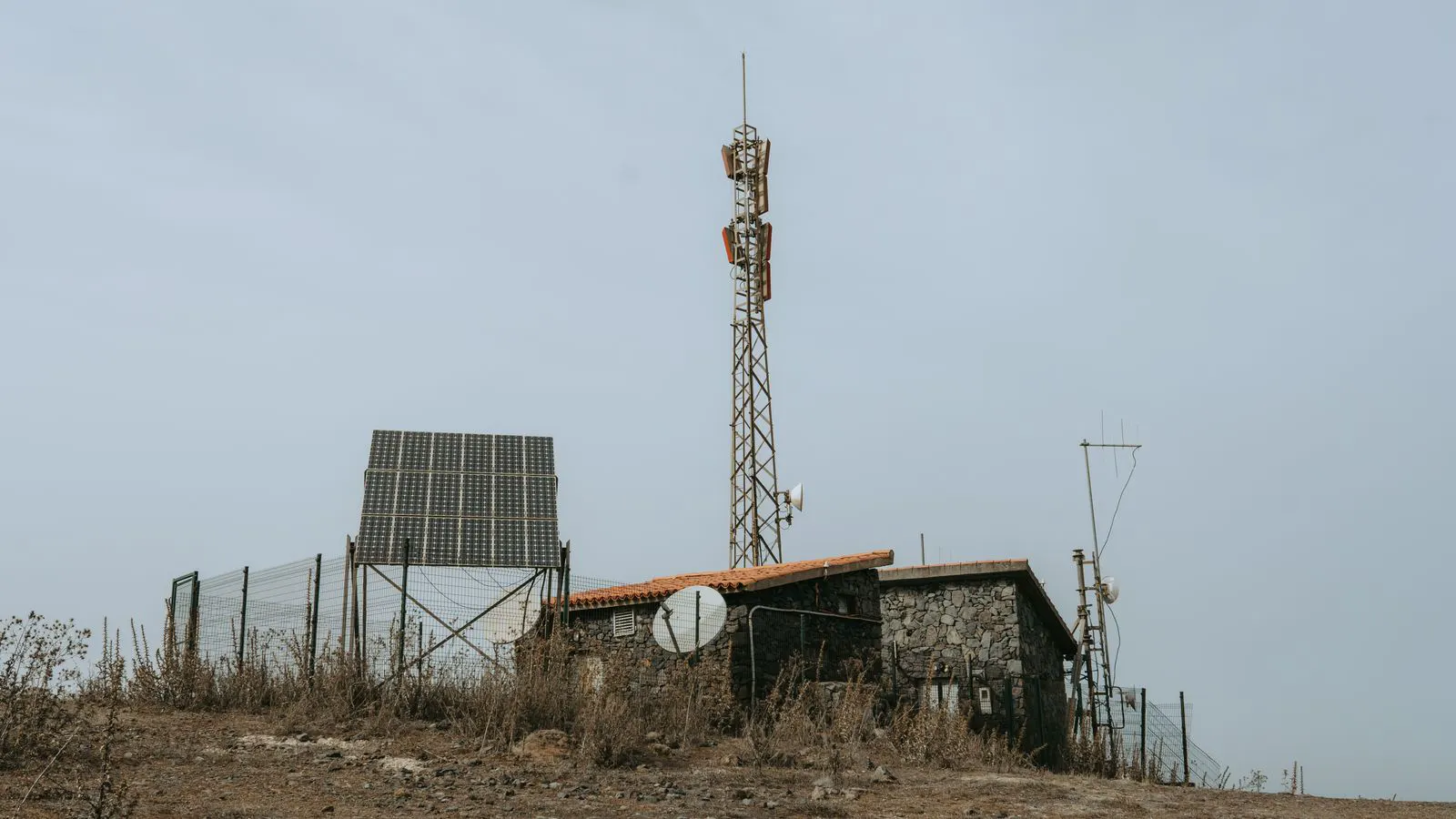
This guide outlines the criteria for selecting a hybrid inverter for isolated locations. It covers battery compatibility, power handling, communication needs, and
Telemetry troubleshooting involves checking communication paths, sensor calibration, and data protocols to resolve inconsistencies. Accurate data ensures reliable
A string inverter converts DC from multiple panels into AC at a single point. A microinverter does this conversion at each panel level, which changes how shading, panel failure, and system monitoring affect performance.
Grid codes set limits for voltage, frequency, power factor, and anti-islanding behavior. The inverter must match the local utility requirements before it can be connected to the grid.
Buyers should verify battery compatibility, AC/DC power ratings, export limits, and communication protocols. Lead time and spare parts availability also affect project scheduling.
Monitoring determines how easily faults, underperformance, and grid events can be detected. Integration with existing SCADA or building management systems should be confirmed during selection.
Certifications vary by region and application. Buyers should check for local grid interconnection approvals, electrical safety standards, and any manufacturer-specific compliance documents required by utilities.
Oversizing or undersizing a string inverter can reduce efficiency, increase hardware cost, or limit future expansion. Correct sizing balances panel output, inverter capacity, and export rules.