Buyers Guide: Selecting Hybrid Inverters for Remote Sites
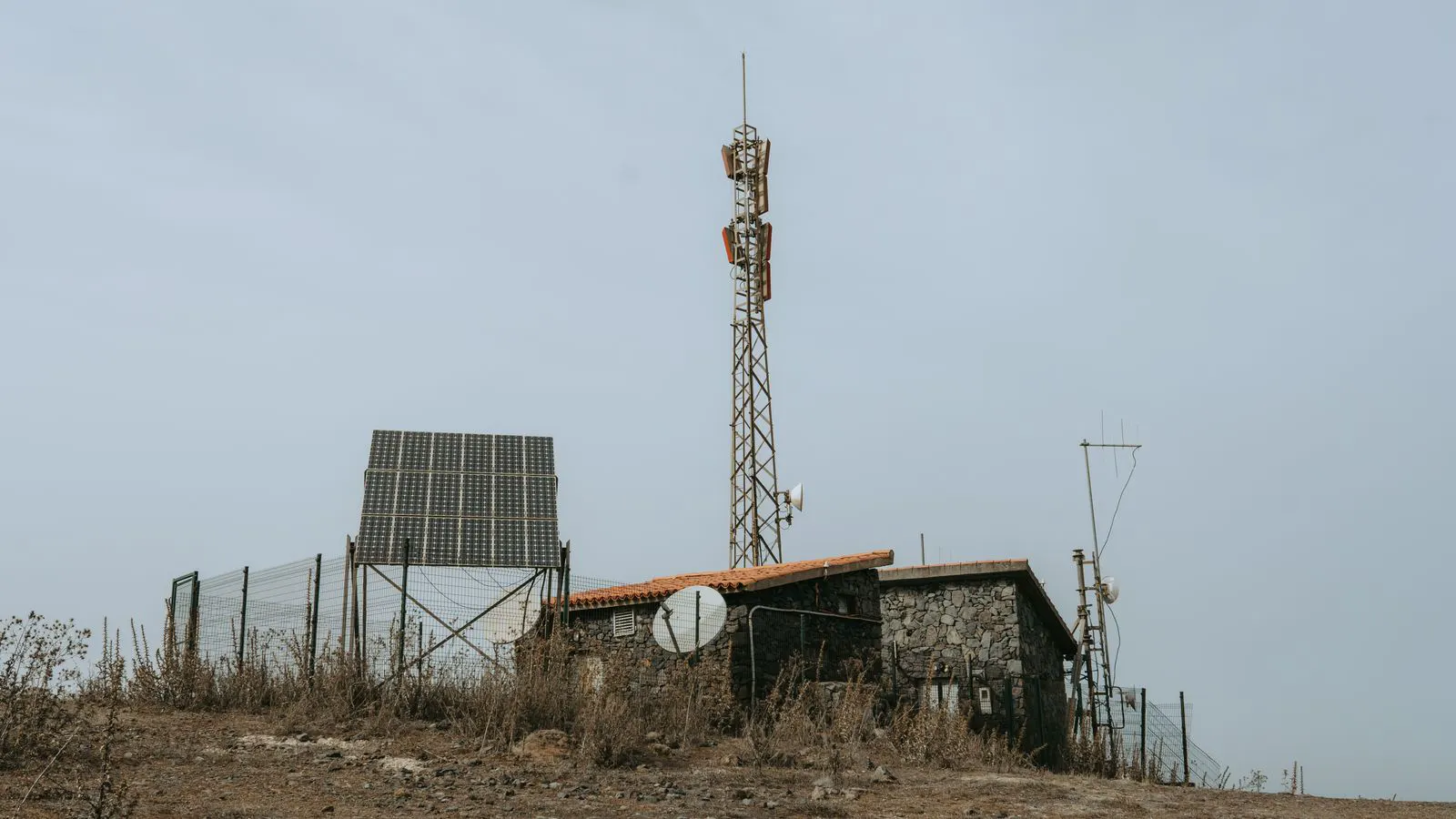
This guide outlines the criteria for selecting a hybrid inverter for isolated locations. It covers battery compatibility, power handling, communication needs, and environmental tolerance to help buyers match hardware to specific off-grid site requirements.
- Verify that the hybrid inverter supports the specific battery chemistry and voltage profile planned for the site.
- Match the inverter's AC and DC handling capacity to the expected site load and solar array size.
- Prioritize environmental ratings and maintenance access when choosing hardware for difficult terrain or harsh weather.
- Confirm communication protocols and data logging features before finalizing the vendor shortlist.
- Review warranty terms and local service support to reduce long-term operational risk.
Why Standard Grid-Tied Inverters Fail in Remote Locations
A standard grid-tied inverter shuts down when the utility grid stops. That design choice protects the equipment, but it renders the system useless exactly when the backup is needed. For isolated sites, a hybrid inverter manages power flow between the solar array, the battery bank, and the AC load without requiring a stable utility connection.
The selection process differs from urban installations. There is no grid to mask inverter faults, and maintenance trips can take days rather than hours. The hardware must handle voltage fluctuations, dust, moisture, and wide temperature swings. It must also coordinate with a battery bank that may have a different chemistry from a typical residential lithium pack.
Buyers often start with the inverter first, then try to fit the battery and array to its requirements. That approach leads to costly mismatches. The correct method is to define the site load, the battery plan, and the environmental conditions, then select the inverter that bridges those gaps.
How to Match Battery Compatibility and Voltage
The inverter is the interface between the DC source and the AC load. If that interface does not speak the language of the battery, the system will not operate. Every hybrid inverter has a defined voltage window, a charge current limit, and a discharge current limit.
Lithium batteries, lead-acid batteries, and flow batteries have different voltage curves. A lithium pack may hold a relatively flat voltage while discharging. A lead-acid pack sags as it drains. The inverter must recognize these differences to avoid over-discharging the battery or overcharging it.
Check the datasheet for the supported battery types. Some units support multiple chemistries through firmware settings. Others are locked to one type. Confirm the minimum and maximum battery voltage during operation. Also review the charge profile. If the plan includes a battery with a custom charge curve, verify that the inverter allows manual override.
A mismatch here causes two common problems. The inverter may shut down when the battery voltage drops slightly below the nominal level, even if the battery still has capacity. Alternatively, it may overcharge a chemistry that does not tolerate high voltages, shortening the pack life. Always cross-reference the battery datasheet with the inverter’s battery specifications before ordering.
Power Handling and Load Management
The inverter must handle the peak load of the site. Residential loads have spikes from air conditioners, well pumps, and induction hobs. Commercial remote sites may have industrial compressors or welding equipment. The inverter’s continuous AC rating must exceed the expected continuous load, with headroom for startup surges.
Look at the DC side as well. The solar array can push more power than the inverter can convert. If the array is oversized, the inverter will clip power during high irradiance. That is sometimes desirable to avoid battery overcharging, but it reduces the value of the solar investment. The DC input voltage range must cover the array’s operating voltage under low light and cold conditions.
For sites with mixed loads, the inverter’s load management logic matters. It should prioritize battery discharge over solar import when the battery is low. It should also manage AC export if a micro-grid connection exists. Some units allow user-defined priority settings. Others follow a fixed sequence. Understand how the unit behaves when both the battery and the solar array are available.
Environmental Ratings and Physical Durability
Remote sites are not always harsh, but they are rarely convenient. Dust, salt air, high humidity, and extreme temperatures affect inverter performance. The IP rating indicates protection against dust and water. For outdoor mounting, an IP65 rating is a reasonable baseline. For harsh coastal or mining environments, higher protection and corrosion-resistant materials are needed.
Temperature is a major factor. Inverters have operating limits. Outside those limits, they may reduce output or shut down. If the site sees temperatures below freezing or above 40 degrees Celsius, verify the inverter’s derating curve. Some units reduce power output as ambient temperature rises to protect internal components. Others have built-in fans that struggle in dusty conditions.
Physical access matters for maintenance. If the site is in a mountainous area, the inverter should be lightweight and easy to replace. If it is in a remote community, the unit should be mounted at a standard height for service. Consider the physical footprint. Some hybrid inverters are wall-mounted units. Others are cabinet-sized racks. The mounting method must match the site structure.
Communication and Monitoring Requirements
A remote inverter without data logging is a black box. When a fault occurs, the technician must travel to the site to diagnose it. To reduce that cost, the inverter must provide remote monitoring. Look for built-in cellular modems, Ethernet ports, or Wi-Fi capabilities.
The communication protocol matters for integration. If the site already uses a specific energy management system, the inverter should support that protocol. Open standards are generally easier to integrate than proprietary systems. Check if the inverter sends detailed data, including battery state of charge, inverter efficiency, and fault codes.
For large installations, data resolution is key. A data point every 15 minutes may not be enough to diagnose intermittent faults. Look for higher resolution logging. Some units store data locally on an internal flash memory, which helps if the cellular connection drops.
Sizing the Inverter for the Site
Sizing starts with the load. List every AC load and its power consumption. Note which loads run simultaneously. Identify the peak load. That number sets the minimum AC capacity of the inverter. Add a safety margin for growth. A 20 to 30 percent margin is common for sites that may add loads later.
Next, size the solar array. The array size depends on the battery capacity and the desired autonomy. A larger array charges the battery faster, reducing the number of sunny days needed to restore full capacity. The inverter’s DC input limits the array size. Do not exceed the maximum DC power input rating.
Finally, size the battery bank. The battery must support the inverter’s discharge current. If the inverter can pull 100 amps from the battery, the battery and its wiring must handle that current without excessive voltage drop. Undersized batteries cause the inverter to trip on over-discharge or low voltage.
Procurement and Warranty Considerations
Lead times for inverter components can be long. Before ordering, verify the expected delivery time from the supplier. For remote sites, a delayed shipment halts construction or operation. Ask the vendor for a realistic lead time based on current supply conditions.
Warranty terms are a major cost factor. A standard warranty might cover the inverter for three to five years. Extended coverage is often available. Check what is excluded. Some warranties exclude damage from improper installation, extreme weather, or battery mismatch. If the site is high-risk, consider a warranty that covers environmental stress.
Local service support is critical. If the inverter fails, who fixes it? A vendor with a local service partner can reduce downtime. If no local support exists, the buyer must arrange shipping and temporary power. Factor these costs into the total cost of ownership. A cheaper unit with no local support may cost more over its life than a pricier unit with a service network.
Criteria Table for Hybrid Inverter Selection
| Criterion | What to look for | Why it matters |
|---|---|---|
| Battery Compatibility | Supported chemistries, voltage window, charge profile | Prevents overcharging or early shutdown during low battery |
| AC/DC Power Rating | Continuous AC output, peak startup capacity, max DC input | Ensures the inverter handles site loads and array sizes |
| Environmental Rating | IP rating, operating temperature range, corrosion resistance | Protects hardware in dust, rain, heat, and cold |
| Communication | Cellular, Ethernet, Wi-Fi, data resolution | Allows remote monitoring and fault diagnosis |
| Mounting and Size | Weight, dimensions, mounting method | Affects installation effort and maintenance access |
| Warranty and Support | Coverage duration, exclusions, local service availability | Reduces long-term downtime and repair costs |
Closing Decision Checklist
- Verify the inverter supports the planned battery chemistry and voltage range.
- Confirm the AC continuous rating exceeds the site’s peak load by at least 20 percent.
- Check the DC input voltage range against the solar array’s operating voltage.
- Ensure the IP rating and temperature limits match the site conditions.
- Confirm remote monitoring capabilities and data logging resolution.
- Review the warranty terms for environmental exclusions.
- Confirm local service support and expected delivery lead times.
- Check physical mounting requirements against the site structure.
- Verify compatibility with any existing energy management systems.
- Calculate the total cost of ownership, including maintenance and potential downtime.
Frequently asked questions
Can a hybrid inverter be used for a small off-grid home?
Yes, but the inverter must be sized for the home's peak load. A small unit may handle a single bedroom or kitchen, but larger loads require a bigger inverter and battery bank.
What is the difference between a hybrid inverter and a pure off-grid inverter?
A hybrid inverter manages solar, battery, and grid power together. A pure off-grid inverter typically only handles solar and battery, without grid interaction logic.
How do I know if my battery is compatible with a specific inverter?
Compare the battery's voltage curve and charge profile with the inverter's supported range. Check the inverter datasheet for supported chemistries and current limits.
Is remote monitoring necessary for a remote site?
Yes, remote monitoring reduces the need for on-site visits. It allows technicians to diagnose faults and check battery health without traveling to the location.
How long does a hybrid inverter usually last?
Lifespan depends on operating conditions, duty cycle, and maintenance. Properly installed units often last many years, but extreme heat, dust, or voltage stress can reduce life.