Hybrid Inverter Buyer Guide: Grid-Tied and Off-Grid Models
A hybrid inverter buyer guide helps you distinguish between grid-tied and off-grid models. This article covers key specifications, battery integration, and selection criteria to match your site's power requirements and budget.
- Hybrid inverters bridge the gap between standard grid-tied units and standalone off-grid systems.
- Selection depends on whether you need grid export capability or full energy independence.
- Battery compatibility and charge control features are the primary differentiators between models.
- Always verify voltage and frequency standards for your specific region before purchase.
Hybrid Inverter Buyer Guide
A hybrid inverter buyer guide must address the two distinct operating modes that define this equipment category. Grid-tied hybrid inverters rely on the utility grid for primary power and energy storage, while off-grid hybrid inverters operate independently. Choosing the right model requires understanding how the device manages power flow between the solar array, the battery, and the load.
What defines a hybrid inverter?
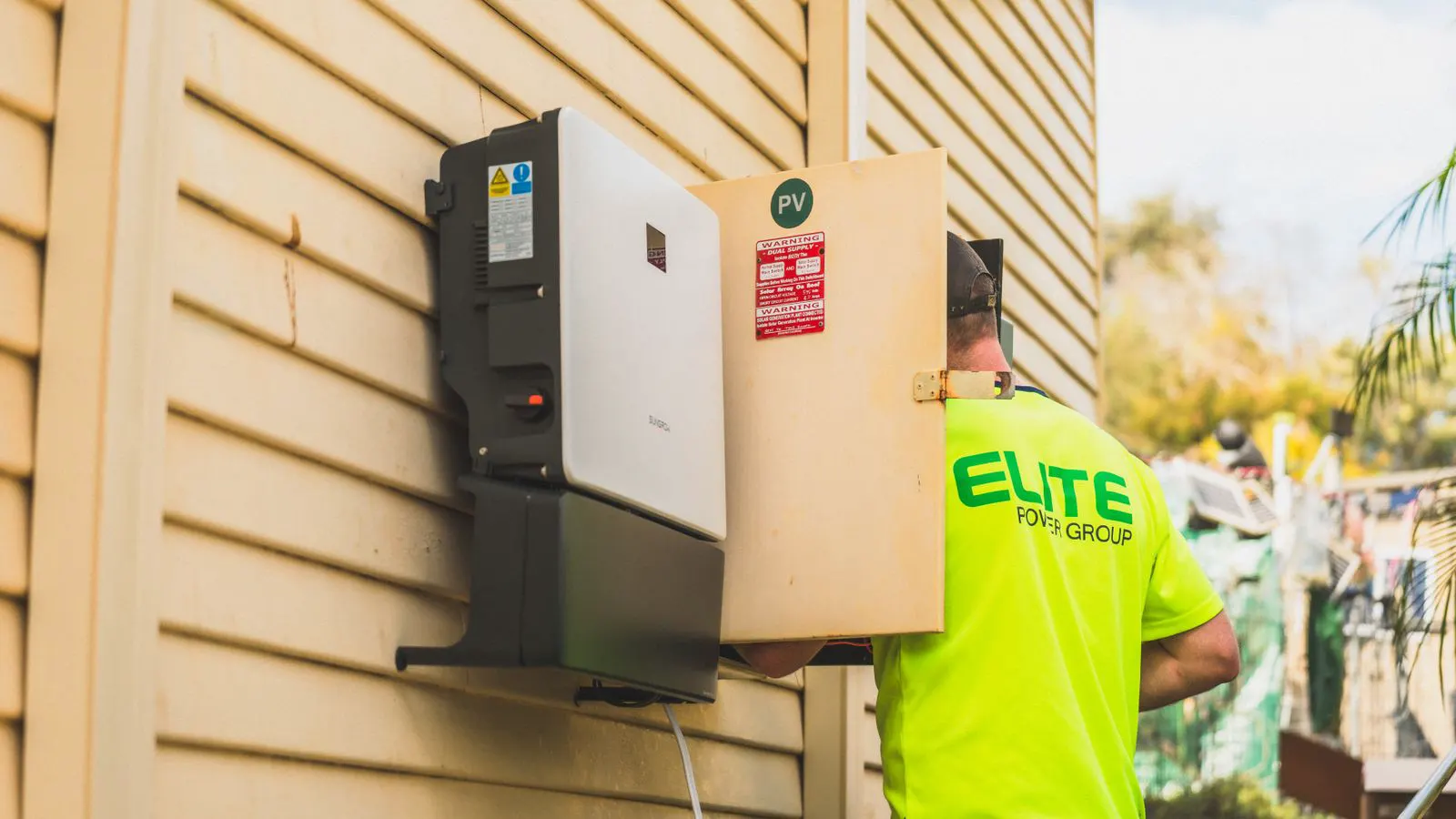
Hybrid inverters are multi-input power conversion units that accept DC power from solar panels and AC power from a grid or generator. They also manage DC power from batteries. Unlike standard string inverters, which only convert solar DC to AC for the grid, hybrid units include bidirectional power electronics. This allows energy to flow in and out of the battery bank.
The core function is energy management. The inverter monitors the state of charge of the battery and the load demand. It decides whether to charge the battery from the grid, discharge it to the load, or send excess energy to the grid. This logic is handled by an internal microcontroller based on user-set parameters.
The power electronics inside a hybrid inverter are significantly more complex than those found in a basic string inverter. A string inverter typically has a single stage of power conversion. It takes DC from the array and pushes it to the grid. A hybrid inverter requires separate stages for the grid connection, the battery bus, and the AC load. The DC bus is shared, but the current paths are isolated to prevent backflow from the grid into the battery when the battery is not supposed to be charging.
Inside the unit, you will find IGBT modules or MOSFETs that switch at high frequencies. These switches create the AC waveform. In a hybrid unit, the control system must synchronize three different sources simultaneously. The solar array produces DC voltage that varies with sunlight. The battery provides a relatively stable DC voltage that changes as the state of charge drops. The grid provides a stable AC reference. The inverter must align all three of these signals without causing voltage spikes or current surges that could damage the components.
The internal communication bus is also a defining feature. The microcontroller receives data from Hall effect sensors, shunt resistors, and temperature probes. It calculates the real-time power balance every few milliseconds. If the load drops by ten kilowatts instantly, the inverter must react within cycles to prevent a voltage sag. If the solar array output drops due to a cloud passing, the inverter must switch to battery discharge or grid import instantly. This speed of reaction is what separates a high-quality hybrid unit from a lower-cost model that may drop out during rapid load changes.
Grid-tied versus off-grid operation
Grid-tied hybrid inverters are designed to work with a utility connection. They can export excess energy back to the grid when the solar array produces more than the building needs. They also pull from the grid when solar production is low. The battery acts as a backup source during outages.
Off-grid hybrid inverters do not connect to the utility grid. They require a primary power source, such as solar, wind, or a generator, to keep the battery charged. The inverter manages the transition between these sources to maintain stable AC output. Some off-grid units support “islanding,” which allows them to create a stable voltage and frequency reference for the local load without external grid support.
A key difference is the presence of an anti-islanding circuit. Grid-tied units must shut down immediately if they detect a grid fault. Off-grid units are designed to continue operating when the grid is absent or isolated.
In a grid-tied scenario, the inverter is always listening to the grid. It uses zero-sequence current detection or voltage/frequency drift tests to confirm the grid is healthy. If the grid voltage drops by 10 percent or the frequency drops by 0.5 Hz, the unit shuts down within two seconds. This is a safety requirement. It prevents the inverter from energizing a downed power line that electricians might be working on.
In an off-grid scenario, the inverter becomes the master of the electrical system. It creates the AC waveform from scratch. It must maintain a 50 or 60 Hz frequency and a stable voltage, usually 230 V or 120 V, despite changes in load. If a large motor starts up, the frequency will dip. The inverter’s governor logic must increase the output voltage and frequency momentarily to compensate. This regulation is what keeps sensitive electronics safe.
Key specifications to evaluate
When reviewing hybrid inverter specifications, focus on the parameters that affect performance and safety. The table below lists the critical data points to check.
| Criterion | What to look for | Why it matters |
|---|---|---|
| Power Rating (kW) | Match the inverter size to the solar array and load | Sizing too small causes clipping; sizing too large wastes money |
| Battery Type | Lithium-ion or Lead-acid support | Affects charge profiles, lifespan, and internal safety |
| Max PV Input | Voltage and current limits from panels | Ensures the inverter can handle peak solar production |
| Efficiency | Round-trip efficiency percentage | Higher efficiency means less energy lost in conversion |
| Communication | WiFi, Ethernet, or serial ports | Required for monitoring software and remote management |
Power rating refers to the maximum AC power the inverter can deliver to the load. This should be sized based on the largest single load or the sum of continuous loads. For example, if your home has a 15 kW air conditioning system running continuously, a 5 kW inverter will trip immediately when the AC kicks on. A 15 kW inverter is the minimum requirement for that specific load.
Battery type matters because lithium-ion and lead-acid batteries require different charging curves. Lead-acid batteries need a bulk and absorption phase. The inverter must ramp up the current to a high level, then hold a high voltage while the current tapers off. Lithium batteries often use a constant voltage profile with a lower current limit. If you try to charge a lithium battery with a lead-acid profile, you risk damaging the cells.
Max PV Input is often misunderstood. It is not just about the wattage. It is about the voltage window. Solar panels produce more voltage when it is cold. A panel rated at 100 V at 25 degrees Celsius might produce 120 V at 0 degrees. If your inverter has a maximum PV input voltage of 110 V, the array will shut down or clip when the sun rises on a cold morning. You must check the cold-start voltage of your specific panels against the inverter’s maximum PV input limit.
Battery integration and charge control
The interface between the inverter and the battery is where most hybrid systems succeed or fail. The inverter must support the specific battery chemistry you plan to use. Check the documentation for voltage windows and current limits.
Charge control algorithms are also critical. A “smart” hybrid inverter adjusts the charge rate based on the battery temperature and state of charge. This extends battery life and prevents overcharging. For off-grid setups, the inverter must also manage the transition from the generator or grid to battery power without interrupting sensitive electronics.
Look for models that allow you to set low battery cutoff points. If the battery drops below a certain percentage, the inverter should disconnect non-essential loads to protect the battery. This feature is vital for off-grid operation where recharging takes time.
The physical connection between the inverter and the battery is a high-current DC path. The cables must be short and thick. Long, thin cables will cause significant voltage drops and heat generation. The inverter’s battery terminals often have specific requirements for cable gauge.
Temperature management is another factor. Lithium batteries have strict temperature limits. Charging a lithium battery below 0 degrees Celsius can cause plating on the anode, which leads to short circuits and fire hazards. A quality hybrid inverter will have a built-in temperature sensor or an external sensor port. If the battery temperature is too low, the inverter will pause charging until it warms up. If the temperature is too high, it will reduce the charge current to prevent thermal runaway.
State of Charge estimation is also handled by the inverter, though it works best when the battery management system (BMS) communicates with it. If the inverter cannot talk to the BMS, it uses current integration to estimate the state of charge. This method drifts over time. A direct communication protocol, such as Modbus or a proprietary link, provides much more accurate data.
Grid-tied hybrid inverter selection
For grid-tied applications, the primary concern is compliance with local electrical codes and utility interconnection rules. The inverter must support the local grid frequency and voltage standards. In some regions, utilities require specific inverter features, such as ride-through capability or zero-crossing detection.
Grid-tied hybrid inverters usually have a higher maximum power rating because they can draw power from the grid to charge the battery. They often include a “grid-following” mode. This means they sync their AC output to the grid’s voltage and frequency. If the grid fails, the unit switches to backup mode, powering critical circuits from the battery.
Check the inverter’s maximum export limit. In some areas, you are not allowed to send power back to the grid. The inverter should allow you to set this limit to zero. This feature turns the unit into a net-zero hybrid, where all solar power is used on-site or stored.
Grid-tied units also require specific wiring for the AC connection. The grid side is usually a standard 3-phase or single-phase AC connection. The utility side must be isolated from the battery side when the grid is down. This is achieved through contactors or circuit breakers that open automatically when the grid voltage drops.
The ride-through capability is a specific feature required by some utilities. If the grid voltage sags for a few milliseconds, a standard inverter might shut down. A ride-through capable inverter can maintain power during that brief dip. This is useful for large commercial buildings where a brief outage would cause significant operational disruption.
Off-grid hybrid inverter selection
Off-grid selection focuses on energy independence and reliability. These units must handle voltage fluctuations from generators or wind turbines. A robust inverter will have a wide input voltage range and stable output even under load changes.
Consider the “islanding” capability. A true off-grid inverter can create its own reference voltage and frequency. This is necessary if you want to power a building without any grid connection. The inverter acts as the source, and all loads must be synchronized to it.
Generator compatibility is another factor. If you plan to use a generator as a backup source, ensure the inverter has a dedicated AC input or a charge port for the generator. The inverter will manage the charging of the battery from the generator and distribute power to the loads.
When selecting an off-grid unit, the battery bank capacity is the limiting factor. The inverter power rating tells you how much power you can deliver at once. The battery capacity tells you how long you can run that power. If you have a 10 kW inverter but only a 10 kWh battery, you can run the full load for one hour. If you have a 100 kWh battery, you can run the full load for ten hours.
The inverter must also handle the inrush current of large loads. Starting a compressor or a water pump can draw three to five times the rated current for a split second. If the inverter is too small, it will trip. Oversizing the inverter relative to the battery bank is a common strategy for off-grid systems to handle these startup surges without depleting the battery too quickly.
Common installation mistakes
Professional buyers often encounter installation errors that void warranties or reduce system life. The most common mistake is ignoring the inverter’s maximum current rating. If the solar array produces more current than the inverter can handle, the unit will trip. This leads to lost energy and potential hardware damage.
Another error is placing the inverter in a location with poor ventilation. Inverters generate heat during conversion. If the ambient temperature is too high, the unit will reduce its output or shut down. Mount the unit in a shaded, well-ventilated area, away from direct sunlight and moisture.
Cable sizing is also critical. Undersized DC cables from the solar panels will cause voltage drops and heat. AC cables to the load and battery must be sized to handle the maximum current. Use a cable calculator based on your specific distance and load to determine the correct gauge.
The DC wiring from the solar panels must also be protected by fuses or breakers. If a panel fails short-circuit, the current can be very high. Without proper protection, the inverter’s input stage can be damaged. The fuse rating should be higher than the maximum operating current of the array but lower than the short-circuit current of the panels.
Grounding is another frequent oversight. The inverter chassis, the battery enclosure, and the solar panel frames must all be bonded to the earth ground. This protects against lightning strikes and electrical faults. The ground wire must be thick enough to handle fault currents.
Decision checklist
Before purchasing a hybrid inverter, run through this checklist to ensure the model fits your project.
- Determine if you need grid export or full off-grid independence.
- Calculate the total load demand and the largest single load.
- Identify the battery type and capacity you plan to use.
- Check local grid interconnection requirements for hybrid units.
- Verify the inverter’s communication protocols for your monitoring setup.
- Confirm the inverter is certified for your region’s electrical standards.
- Review the warranty terms, including battery and inverter coverage.
A hybrid inverter buyer guide is most useful when it helps you match technical specs to real-world conditions. The right model balances power capacity, battery compatibility, and grid rules. By focusing on these factors, you can select a unit that performs reliably for years.
Frequently asked questions
Can a grid-tied hybrid inverter work without a grid connection?
No, standard grid-tied hybrid inverters require a grid connection for synchronization. They will shut down if the grid is lost.
What is the main difference between a hybrid inverter and a standard string inverter?
Hybrid inverters manage battery charging and discharging, while string inverters only convert solar power to AC for the grid.
Do I need a separate charge controller for a hybrid inverter?
No, the hybrid inverter integrates the charge controller function. It manages the battery charge directly from the solar array or grid.
How do I choose the right power rating for a hybrid inverter?
Size the inverter to handle your peak load and the maximum solar array production. A common practice is to size the inverter to cover your critical loads plus a safety margin.
Are hybrid inverters more expensive than standard grid-tied inverters?
Yes, hybrid inverters cost more due to additional power electronics for battery management. However, they offer greater flexibility for energy storage and backup power.