String vs Microinverters: Which Fits Your Site Best?
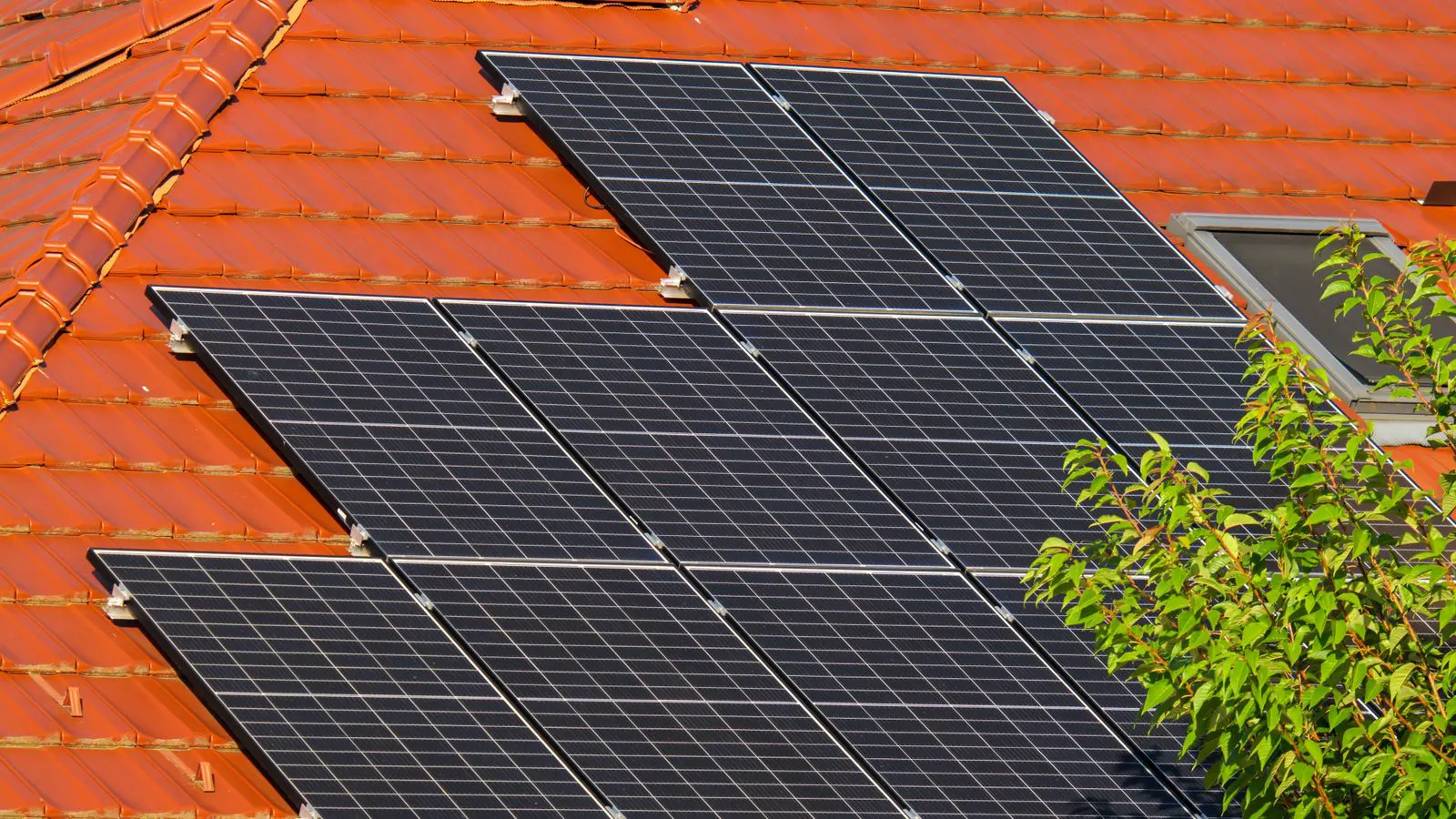
String vs microinverters depends on roof complexity, shading patterns, and maintenance access. String inverters offer lower cost per watt for uniform, unshaded sites. Microinverters suit complex layouts with partial shading, but require higher upfront investment. Select based on site-specific constraints, not just equipment price.
- String inverters provide better economics for large, uniform arrays with minimal shading.
- Microinverters improve yield on complex roofs by isolating individual panels.
- System architecture selection requires balancing upfront cost against lifetime yield gains.
- Maintenance access and future expansion plans should drive the final inverter selection.
Start with the roof, not the inverter
Inverter selection begins at the site level. The physical layout of panels, roof geometry, and shading conditions determine which architecture performs best. Engineers often skip this step and compare inverter specs in isolation. That approach misses the point. The equipment choice must match the energy production profile of the specific installation.
A flat commercial roof with a single unobstructed array behaves very differently from a residential roof with multiple orientations, dormers, and chimney shadows. The wrong inverter type creates either wasted hardware or unnecessary cost. The right one maximizes yield and simplifies operations.
Consider a standard single-pitch residential roof. The panels face south. The roof pitch is stable. There are no trees nearby. The array is electrically uniform. A string inverter handles this layout efficiently because every panel receives the same amount of light and current flows in a predictable series. Now consider a commercial rooftop with a central HVAC unit and two roof levels. One level faces south, the other faces west. Morning sun hits the west-facing array while the south array is in shadow. By afternoon, the roles reverse. A single string inverter cannot handle this variation. It must blend the outputs, and the blended output drops whenever one section is shaded. The system behaves as if the entire array is partially shaded, even if only a small portion is affected.
The site survey must precede the equipment purchase. Walk the roof. Measure the angles. Mark the locations of chimneys, vents, skylights, and parapets. Photograph the roof at different times of day and across seasons if possible. This data determines the electrical design. It also determines where the inverter will sit. A string inverter needs a central location with clear access to the DC wiring. A microinverter system needs access to every panel location for installation and service.
How string inverters handle power conversion
A string inverter connects multiple solar panels in series. This string of panels feeds one inverter unit. The inverter converts the combined direct current to alternating current for the grid. Multiple strings can feed the same inverter through multiple input channels.
This centralization creates a single point of conversion. If one panel in a string fails or is shaded, the entire string output drops. The inverter cannot distinguish between a healthy panel and a degraded one. The whole string operates at the performance level of its weakest component.
String inverters work best when the array is electrically uniform. Panels face the same direction. The roof has few or no obstructions. Maintenance access is straightforward. The inverter sits in a central location, often on a wall or in a mechanical room.
The electrical behavior of a string inverter is defined by the series connection. The voltage of the string is the sum of the voltages of the individual panels. The current is limited by the weakest panel in the chain. If one panel produces less current than the others, the entire string is pulled down to that lower current level. The voltage increases as the string length grows, but the current remains fixed by the bottleneck. This means that the design engineer must carefully select the number of panels per string. Too few panels and the voltage may not reach the inverter’s minimum operating threshold. Too many panels and the voltage may exceed the inverter’s maximum limit during cold winter mornings when panel voltages rise.
The inverter itself contains a maximum power point tracking algorithm. This algorithm continuously scans the voltage and current to find the point where the array produces the most power. Because the inverter sees only the total DC input, it cannot adjust for individual panel variations. It optimizes the whole string. If a string contains a mix of old and new panels, or panels with different efficiencies, the tracking algorithm will settle at a point that benefits the majority but hurts the weaker units.
Maintenance access is a significant factor. A single failed string inverter requires a technician to climb to the central unit. The DC wiring runs from the array to this central point. If the wiring is damaged, the repair is localized. If a panel fails, the string output drops, but the inverter continues to run. The engineer must identify which panel failed by analyzing the string’s performance data. This process is faster when the array is small. It is slower when the array has dozens of strings.
How microinverters handle power conversion
Microinverters mount behind each individual solar panel or small module group. Each unit converts DC to AC locally. The resulting AC feeds a common wiring path to the grid-tied switchgear. No central inverter exists.
This distributed architecture isolates panel-level issues. If one panel is shaded by a tree branch, only that panel loses production. The rest continue at full output. The inverter electronics handle the conversion at panel level, which changes the thermal environment and the failure mode.
Microinverters suit complex sites. Multi-level roofs. Mixed orientations. Shaded zones. The wiring is AC, which changes the electrical design and safety requirements. The cost per watt is higher, but the yield can improve significantly on non-uniform sites.
The conversion happens at the module level. Each microinverter performs maximum power point tracking independently. It adjusts the operating point of its specific panel based on the local conditions. If one panel is shaded, its microinverter reduces its output. The other panels continue at their full potential. This independence is the core advantage. The system output is the sum of the individual panel outputs, rather than the average of the weakest string.
The thermal environment changes significantly. In a string inverter, the DC wiring runs from the roof to the central unit. The heat generated by the panels is carried as DC current. In a microinverter system, the conversion happens on the roof. The electronics generate heat locally. The back of the panel must dissipate this heat. Poor ventilation can cause the panel to overheat, reducing its efficiency. The microinverter itself also generates heat. It must be installed in a location that allows adequate airflow. If the air gap behind the panel is too small, the unit may throttle its output to prevent damage.
The wiring is AC, which changes the electrical design. The cable gauge must be selected based on the AC current, not the DC current. The voltage is lower, so the current is higher for the same power level. This requires larger wires or shorter runs to minimize voltage drop. The safety requirements change as well. The wiring is live at grid voltage at all times, even when the panels are not producing. This requires careful insulation and protection against accidental contact.
The failure mode is different. If one microinverter fails, only one panel stops producing. The rest of the system continues to operate. The technician must locate the failed unit. This requires roof access. On a high commercial roof, this can be a major logistical challenge. The unit must be replaced or repaired. The process is slower than replacing a single string inverter, but the impact on total system output is minimal.
Compare the options side by side
| Option | Best for | Limitations |
|---|---|---|
| String inverter | Large uniform arrays, minimal shading, centralized maintenance | Output loss from single panel failure or shading |
| Microinverter | Complex roofs, partial shading, mixed orientations | Higher upfront cost, AC wiring, distributed maintenance |
| String with optimizers | Moderate shading, existing string architecture, cost-sensitive projects | Requires compatible string inverter, optimizer failure modes |
| Centralized string with multiple inputs | Medium to large sites, future expansion planning | Multiple inverter units needed for very large arrays |
| Hybrid microinverter layout | Mixed roof conditions, phased installation | Complex design, higher engineering effort |
When string inverters are the right choice
Pick a string inverter when the site is electrically simple. The roof has one or two dominant orientations. Shading is minimal or absent. The array is large enough that the cost difference per watt becomes significant.
String inverters are also the standard for utility-scale installations. The maintenance model is centralized. A technician walks to one location, checks the inverter, and diagnoses most issues. The electrical design is straightforward DC strings feeding AC output.
The key advantage is cost efficiency. The inverter hardware is cheaper per watt. The installation labor is lower. The system design is well understood. For a flat roof with no obstructions, a string inverter delivers the lowest levelized cost of energy.
The limitation is yield sensitivity. A single shaded panel reduces the entire string output. A dirty panel reduces the entire string output. A defective panel reduces the entire string output. On a uniform roof, these events are rare. On a complex roof, they are frequent.
Consider a large commercial rooftop with a single array of 200 panels. The panels are arranged in ten strings of twenty panels each. The roof is flat. There are no obstructions. The string inverter handles this layout efficiently. The maintenance team visits the central unit once a year for inspection. The electrical design is simple. The cost per watt is low. The yield is stable.
Now consider the same roof, but with a central HVAC unit that casts a shadow on ten panels during the morning. Those ten panels are in one string. The string inverter sees the reduced output from that string. The other nine strings operate at full capacity. The total system output drops by the amount of loss in the shaded string. The engineer must decide if the yield loss justifies the cost of the string inverter. In this case, the loss is small. The string inverter remains the best choice.
When microinverters are the right choice
Select microinverters when the roof is electrically complex. Multiple orientations coexist. Shading patterns vary by hour and season. The site includes trees, chimneys, HVAC units, or roof penetrations that cast shadows during part of the day.
Microinverters recover yield that string inverters would lose. Each panel operates independently. The loss from one shaded module is contained. The overall system output stays closer to the theoretical maximum.
The cost is higher. Microinverters cost more per watt than string inverters. The wiring is AC, which changes the electrical design. The maintenance model is distributed. A technician may need to walk the roof to locate a failed unit.
For residential projects with complex roofs, microinverters often win on lifetime yield. The higher upfront cost is offset by better production over the system life. For commercial sites, the decision depends on the shading study. If the shading loss is minimal, the string inverter wins. If the shading is significant, microinverters can pay back the premium.
Consider a residential roof with a large tree on the east side. The tree casts a shadow on the east-facing panels during the morning. The afternoon sun is unobstructed. A string inverter would see the morning output drop for the entire string. The microinverter system would see only the shaded panels drop. The east-facing panels that are not shaded would continue to produce. The total system output would be higher in the morning. The difference may be significant if the shading affects a large portion of the array.
The maintenance model is a critical factor. If the roof is steep and difficult to access, the cost of service for microinverters increases. A failed unit requires a technician to climb the roof and replace the unit. This cost must be included in the lifetime analysis. For a flat commercial roof, the access is easier. The cost of service is lower. The decision becomes more about yield than access.
How to decide for your specific site
The selection process follows a clear sequence. First, map the roof. Identify all panel locations, orientations, and shading sources. Use a sun path tool to model shadows across seasons.
Second, quantify the electrical design. Determine the string length, the number of strings, and the inverter input voltage window. Check that the string design fits within the inverter specifications.
Third, estimate the yield difference. Run a simple production model for both architectures. Compare the output over a year. The difference may be small on a uniform roof. It may be large on a shaded roof.
Fourth, include the total cost. Do not compare just the inverter price. Include wiring, mounting, labor, and maintenance. String systems often have lower installation labor. Microinverter systems require AC wiring and distributed unit installation.
Fifth, consider future changes. The roof may be reconfigured. Panels may be replaced. The inverter choice affects how easy those changes are. String systems allow swapping entire strings. Microinverter systems allow swapping single panels.
The shading study is the most important step. It must be done with accuracy. A small error in the shadow model can lead to a large error in the yield prediction. The engineer must account for the movement of the sun across the year. The shadow in summer is different from the shadow in winter. The angle of the sun changes. The length of the shadow changes. The tool must model these variations. If the tool is not accurate, the decision will be wrong.
The electrical design must be checked against the inverter specifications. The input voltage window is critical. The string must operate within this window across all seasons and temperatures. If the string voltage falls below the minimum, the inverter will not start. If the string voltage exceeds the maximum, the inverter will shut down or damage itself. The engineer must calculate the voltage at cold winter mornings and hot summer afternoons. The temperature coefficient of the panels must be included. The voltage rises as the temperature drops. The current drops as the temperature rises.
The yield difference must be modeled. The engineer must run a production model for both architectures. The model must account for the shading, the electrical losses, and the inverter efficiency. The difference may be small. On a uniform roof, the yield difference may be less than one percent. On a shaded roof, the yield difference may be ten percent or more. The model must be accurate to make a valid comparison.
The total cost must include all elements. The inverter price is only part of the cost. The wiring cost must be included. The labor cost must be included. The maintenance cost must be included. The string system has lower installation labor. The microinverter system has higher installation labor. The microinverter system has higher maintenance cost over the system life. The engineer must calculate the total cost over the system life. The decision is based on the total cost, not just the upfront cost.
Common mistakes that skew the decision
Engineers make several errors when choosing between these architectures.
- Ignoring the shading study and defaulting to the cheaper option.
- Comparing only the inverter price and ignoring the wiring and labor differences.
- Assuming a string inverter is always cheaper without modeling the yield loss.
- Overlooking the maintenance access for microinverter units on high roofs.
- Selecting an inverter without checking the future expansion capacity.
Each mistake has a financial impact. The shading study is the most common omission. A five percent yield loss on a large site can exceed the inverter cost difference. The maintenance model is the second most common omission. A distributed maintenance model increases the operating cost over the system life.
The first mistake is ignoring the shading study. The engineer assumes the roof is uniform. The roof is not uniform. The shading study reveals the complexity. The engineer must perform the study. If the shading is significant, the string inverter is not the best choice. The yield loss will exceed the cost savings. The engineer must select the microinverter.
The second mistake is comparing only the inverter price. The inverter price is not the total cost. The wiring cost is significant. The labor cost is significant. The maintenance cost is significant. The engineer must compare the total cost. The microinverter may have a higher upfront cost, but the total cost over the system life may be lower if the yield is higher.
The third mistake is assuming a string inverter is always cheaper. This is not true. On a complex roof, the string inverter loses yield. The loss in yield can exceed the cost difference. The engineer must model the yield loss. The model must account for the shading, the electrical losses, and the inverter efficiency. The engineer must compare the total cost.
The fourth mistake is overlooking the maintenance access. The microinverter system requires access to every panel location. If the roof is high and difficult to access, the maintenance cost is high. The engineer must evaluate the access. If the access is poor, the microinverter system may not be the best choice. The engineer must consider the string inverter as an alternative.
The fifth mistake is selecting an inverter without checking the future expansion capacity. The roof may be reconfigured. Panels may be added. The inverter must be able to handle the expansion. The engineer must check the inverter specifications. The inverter must have enough input channels. The inverter must have enough power capacity. If the inverter is too small, the expansion will require a new inverter. This cost must be included in the decision.
Final selection criteria
The right inverter type depends on the site, not on general preferences. String inverters serve uniform, unshaded arrays with centralized maintenance needs. Microinverters serve complex, shaded roofs with panel-level isolation requirements.
The decision is not about which technology is better. It is about which architecture matches the specific constraints of the project. The roof layout, the shading pattern, and the maintenance plan drive the choice.
Review the site data. Model both options. Compare the total cost over the system life. Select the architecture that delivers the best return for the specific conditions you face.
The final step is to verify the data. The site data must be accurate. The shading study must be accurate. The electrical design must be accurate. The production model must be accurate. The cost model must be accurate. If any of these are wrong, the decision will be wrong. The engineer must double-check the calculations. The engineer must review the assumptions. The engineer must validate the results. The decision must be based on solid data. The right inverter type is the one that matches the site. The site is the most important factor. The inverter is just a component. The site determines the component. The site determines the system. The site determines the outcome.
Frequently asked questions
Can a string inverter handle a roof with some shading?
Yes, but it will lose output on the affected strings. The entire string operates at the level of the weakest panel. If shading is minor, the loss may be acceptable.
Are microinverters harder to maintain?
They require distributed access to individual units. A failed microinverter is located behind one panel. This can be more labor intensive than checking a central string inverter.
Does the inverter choice affect the grid connection?
Yes. String inverters output AC from a central point. Microinverters output AC from multiple distributed points. The electrical design and grid-tied switchgear differ.
Can you mix string inverters and microinverters on one roof?
Yes, but it complicates the electrical design and the monitoring system. Each architecture has its own wiring and control requirements.
How do you know if the shading loss justifies microinverters?
Model both architectures and compare the annual production. If the microinverter yield gain covers the cost premium over the system life, the investment is justified.