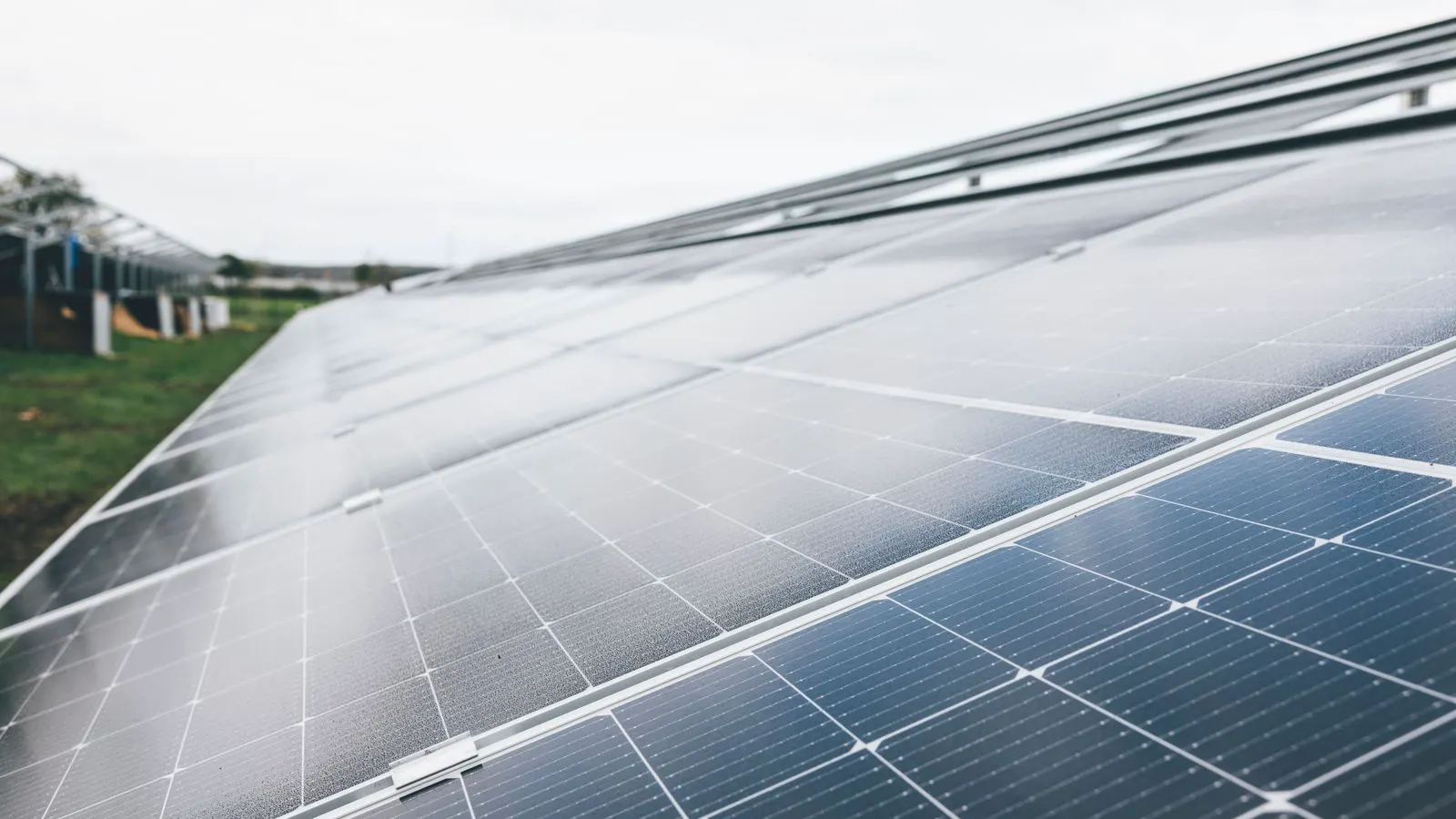
Microinverter Buyers Guide for Commercial Rooftop Arrays
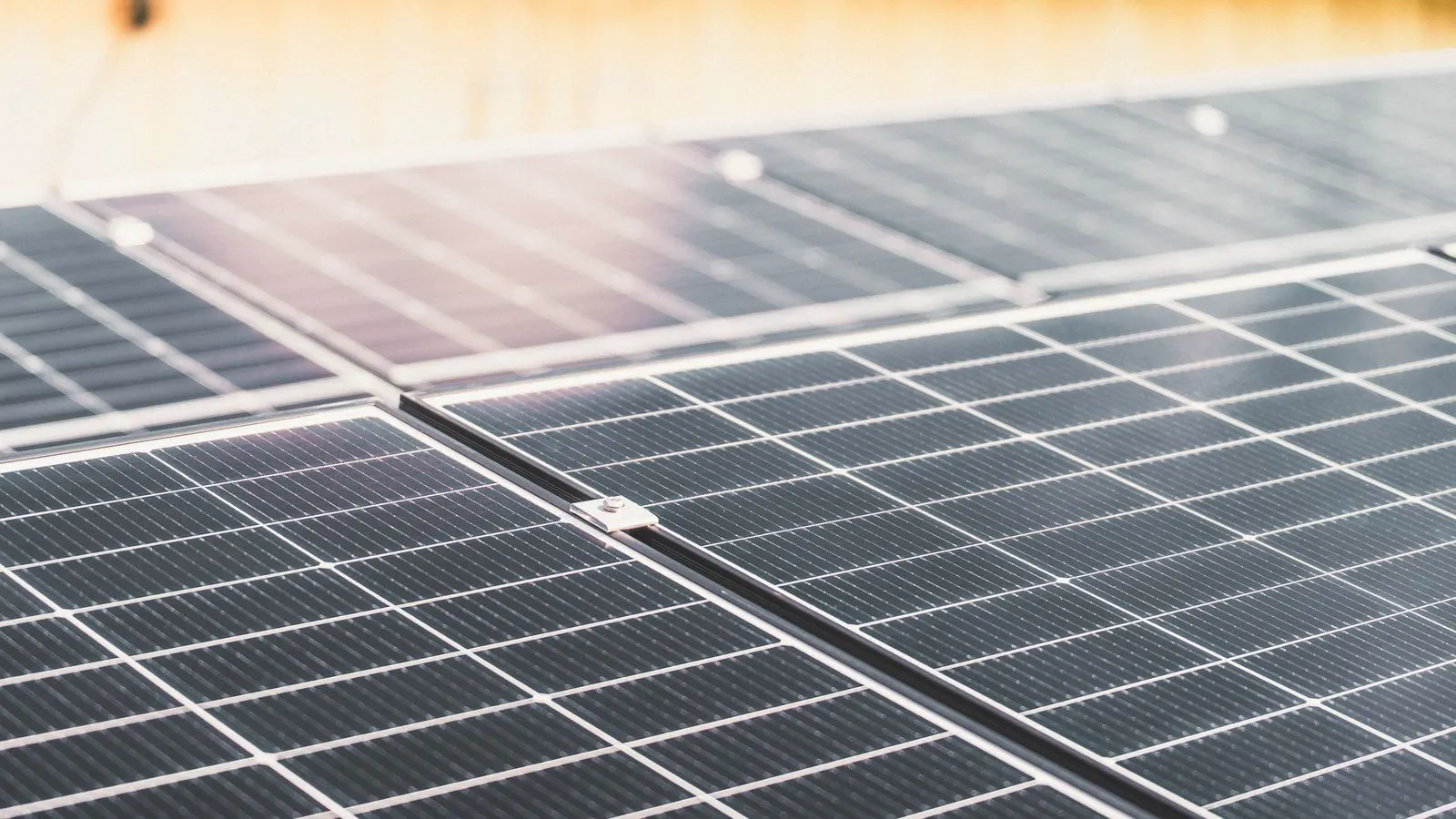
Procurement teams need clear criteria to evaluate microinverters for commercial rooftop arrays. This guide covers key selection factors, performance trade-offs, and a decision checklist to support informed purchasing for large-scale projects.
- Module level power electronics change how commercial solar arrays handle shading, degradation, and maintenance compared to string-based systems.
- Evaluate microinverters for commercial use by focusing on energy yield, redundancy, monitoring, and integration with building power systems.
- A structured decision checklist helps procurement managers compare vendors on performance, service, and lifecycle cost rather than marketing claims.
Why microinverters are different for commercial rooftop arrays
Microinverters attach to each solar module, converting DC to AC at the point of generation. In commercial rooftop arrays, this changes the system architecture. A string inverter handles a large group of panels through one converter. A microinverter array uses many small converters working independently.
For procurement managers, this difference matters. A single shaded string can drag down the output of an entire string. With module level power electronics, one shaded panel or one degraded module loses output, but the rest keep producing. That changes how you model expected energy and how you plan maintenance.
Commercial rooftops often have obstructions. HVAC units, parapets, skylights, and roof access equipment create uneven shading. The choice between string and microinverter technology depends heavily on the roof layout. Consider a warehouse roof with a central ventilation shaft. In a string configuration, the panels directly behind the shaft suffer significant shading during part of the day. Because they are electrically connected in series, the current of the whole string is limited by the weakest link. The entire string produces less power than its rated capacity. With microinverters, the shaded panels produce less, but the panels on either side operate at their optimal point. The system continues to harvest usable energy from the unshaded areas. This behavior shifts the performance model from a single point of failure to a distributed array of independent units.
This shift also impacts how engineers calculate expected yield. A string inverter model often applies a derating factor to the entire string if any significant shading is detected. A microinverter model calculates losses per module. The financial case for microinverters becomes stronger when the roof layout creates complex, variable shading patterns rather than uniform, predictable conditions.
How to assess shading and module degradation
Before evaluating specific microinverter models, map the roof. Identify fixed obstructions and temporary shading patterns across the day and seasons. A microinverter system tolerates localized shading better, but the financial benefit depends on how much of the array is affected.
Also assess panel degradation. Older commercial arrays may have modules with different efficiency levels or visible hot spots. Module level power electronics isolate these issues. A single weak module does not drag down the string.
When reviewing a proposal, ask for a shading analysis. A good vendor will model expected losses by zone. If the roof has deep shading from mechanical equipment, the case for microinverters is stronger. If the roof is mostly unobstructed, the premium may not justify the added complexity.
To perform this assessment, start with a site survey. Take photographs of the roof from multiple angles and note the position of all roof penetrations. Use a solar path simulation to determine when and where shading occurs throughout the year. Pay attention to low sun angles in winter, which can cast long shadows from parapets. Check for vegetation growth nearby, which changes seasonally and can introduce temporary shading. If the roof has existing solar panels, inspect them for signs of degradation. Look for discoloration, cracked glass, or burnt connectors. A thermal camera can reveal hot spots that indicate cell degradation or bypass diode failure.
When comparing a string inverter to a microinverter solution, quantify the shading losses. If the shading analysis shows that 20 percent of the array is affected by significant shading for a large portion of the year, the microinverter premium may be recovered through higher energy yield. If the shading is minimal, the additional cost of hundreds of small inverters may not be justified by the modest gain in output.
Performance criteria that matter in procurement
The following table outlines the core criteria for evaluating microinverters in commercial applications. Use it as a baseline when comparing vendor proposals.
| Criterion | What to look for | Why it matters |
|---|---|---|
| Energy yield | Realistic output estimates based on roof layout and shading | Determines return on investment and utility bill savings |
| Redundancy | How many units fail before the system loses power | Affects downtime risk and service response |
| Monitoring | Granularity of data and alerting | Supports maintenance planning and warranty claims |
| Integration | Compatibility with existing electrical infrastructure | Reduces installation time and cost |
| Service and warranty | Response time, parts availability, and support structure | Influences long-term lifecycle cost |
Energy yield is not just about peak output. It is about consistent production over the life of the system. A microinverter array may produce slightly less in ideal conditions if the per-module conversion efficiency is lower than a large string converter. But it may produce more over time because it avoids string losses.
Redundancy is a major differentiator. In a string system, one inverter failure can take down many modules. In a microinverter array, a single unit failure affects one module. For commercial roofs where access is difficult, this reduces the cost of maintenance.
Consider the failure rates. Microinverters are small, complex electronic devices. They have many components in a small package. Over time, some units will fail. In a string system, a single inverter failure can take down an entire string of perhaps forty or sixty panels. The repair requires a full system outage or a careful bypass operation. In a microinverter system, a single unit failure means one panel is dark. The rest of the roof continues to produce. This reduces the operational risk. If a commercial building has strict uptime requirements for its power supply, the redundancy of a microinverter array is a significant advantage.
When evaluating redundancy, ask about the system architecture. How are the microinverters grouped? Are they on separate circuits? If they are all on one circuit, a breaker failure could take down many units at once. A well-designed system distributes the load across multiple circuits to maintain redundancy.
Monitoring and data granularity
Commercial buyers need data that supports operations. A basic monitoring system shows total AC output. A detailed system shows module-level power, temperature, voltage, and current. This level of detail helps identify underperforming panels, wiring issues, or inverter faults.
When evaluating a microinverter solution, ask what data is available and how often it updates. Can the system alert you to a module dropping below a threshold? Can you export data for audit or utility reporting?
For large commercial roofs, centralized monitoring reduces the number of technicians needed. Remote diagnostics can identify a failed module before it becomes a safety issue. This is particularly useful when roof access is limited or expensive.
Also consider data retention. Some platforms store only a few years of data. For commercial projects, you may need longer retention for performance tracking and warranty disputes. Ask about data ownership and export options.
Specific data points matter for maintenance. Module temperature data helps identify overheating, which can indicate a failing bypass diode or a dirty panel. Voltage and current readings help identify wiring issues, such as high resistance connections or corrosion. If a module consistently produces less than its neighbors, the monitoring system should flag it. This allows a technician to visit the roof and inspect the specific panel, rather than checking the whole array.
Ask about the alerting system. Can you set thresholds for underperformance? Can the system send an email or SMS alert when a module drops below a certain percentage of its expected output? For a commercial building, automated alerts are essential. They ensure that issues are addressed quickly, before they lead to larger problems or safety hazards.
Data integration is also important. The monitoring platform should integrate with the building management system. This allows facility managers to view solar performance alongside other building data, such as energy consumption and HVAC status. If the platform requires a separate login and does not integrate with existing systems, it creates administrative overhead. Look for open APIs or standard protocols that allow data to flow into the building’s existing infrastructure.
Integration with existing electrical systems
Commercial buildings have complex electrical environments. The microinverter solution must integrate with the main switchgear, metering, and any existing solar or battery systems. Check the maximum output, frequency tolerance, and power factor.
Inverters for commercial use should support standard grid codes. If the building has backup generators or battery storage, the system must handle power flow transitions without tripping. This is a technical point that procurement managers often overlook until installation.
Also review the physical installation. Microinverters mount on the back of each module. This adds weight and requires structural checks. On older commercial roofs, the roof deck may not support the added load. A good vendor will provide a structural load calculation as part of the proposal.
Wiring is another consideration. Microinverter systems often use fewer cables than string systems, but each module needs a connection. This can affect installation labor. Ask for a detailed installation plan that includes cable routing, grounding, and disconnect locations.
Integration with the main switchgear is critical. The microinverters output AC power at a standard voltage and frequency. This power must be fed into the building’s electrical panel. The panel must have sufficient capacity to handle the additional load. If the building has a high power demand, the new solar generation may require upgrades to the main switchgear or service entrance. Check the existing capacity and plan for any necessary upgrades.
If the building has existing battery storage, the integration can be complex. The microinverters may need to coordinate with the battery system to manage power flow. This requires careful planning and testing. Ask the vendor about their experience with hybrid systems and how they handle communication between the microinverters and the battery management system.
Grounding and disconnects are safety requirements. Each microinverter must be properly grounded, and the system must have a way to disconnect the power during maintenance or an emergency. The installation plan should clearly identify the location of the main disconnect and any individual module disconnects. This ensures that technicians can safely access individual panels without de-energizing the entire system.
Service, warranty, and lifecycle cost
The purchase price is only part of the total cost. For a commercial rooftop array, the lifecycle cost includes installation, monitoring, maintenance, and replacement. Microinverters have smaller units, which means more parts to manage over time.
Evaluate the service model. Does the vendor provide a dedicated support line for commercial installations? What is the typical response time for a failed unit? Are replacement parts in stock locally?
Warranty terms vary. Some providers offer a standard manufacturer warranty plus a performance warranty. Others bundle service into a contract. Ask what is covered, what is excluded, and who handles field service.
A common mistake is to focus only on the upfront cost per watt. A higher upfront cost may be offset by lower maintenance and higher energy yield over the project life. Use a simple lifecycle model that includes energy savings, avoided string losses, and service costs.
Service response time is a key factor. If a microinverter fails, how quickly can a replacement unit be installed? If the vendor requires a dispatch window of several days, the lost energy during that time adds to the cost. A local service provider with a rapid response time can minimize downtime. Ask for a service level agreement that outlines response times and resolution targets.
Parts availability is another consideration. Microinverters are specialized electronic components. If a specific model is discontinued, finding a replacement can be difficult. Ask the vendor about the availability of spare parts and the expected lifecycle of the product. A long lifecycle means that spare parts will be available for many years after installation. A short lifecycle means that you may face difficulties when units fail.
Warranty coverage should be clearly defined. Does the warranty cover the inverter itself, or does it also cover installation defects and performance guarantees? A performance warranty guarantees a certain level of energy output over a period of time. If the system underperforms, the vendor must make up the difference. This is a valuable protection for commercial buyers who rely on the solar system to reduce their energy costs. Ask for the warranty terms in writing and review them carefully before signing the contract.
A decision checklist for procurement
Use this list when reviewing bids and vendor proposals.
- Roof shading map and expected energy yield by zone
- Module-level monitoring plan with alert thresholds
- Integration details with existing electrical infrastructure
- Structural load assessment for the roof
- Service response time and parts availability
- Warranty scope and performance guarantees
- Total cost over the project life, not just purchase price
If a proposal is missing any of these items, request it before moving forward. A strong vendor will provide these documents as part of a standard commercial bid.
Each item on this checklist corresponds to a specific risk or cost factor. The shading map reveals the potential energy yield and helps justify the technology choice. The monitoring plan ensures that you can manage the system effectively and identify issues quickly. The integration details confirm that the system will work safely and efficiently with the existing building infrastructure. The structural load assessment protects the integrity of the roof. The service and warranty terms protect the long-term financial health of the project.
When comparing bids, do not just look at the lowest price. Look at the total value. A higher upfront cost may be justified by lower maintenance costs, higher energy yield, and better warranty coverage. Use the lifecycle model to compare the total cost of ownership over the life of the project. This approach provides a clearer picture of the true cost of the system and helps make a more informed decision.
Frequently asked questions
How do microinverters compare to string inverters for large commercial rooftops?
Microinverters reduce losses from shading and module degradation, but they require more units and a different installation approach. String inverters are often simpler for unobstructed roofs.
What is the main risk when choosing microinverters for a commercial project?
The main risk is higher lifecycle management complexity. More units means more parts to monitor, maintain, and replace over the project life.
Do microinverters work well with existing commercial electrical systems?
They can, but integration requires careful planning. Check compatibility with switchgear, metering, and grid codes before finalizing a design.
How much data do I need for a commercial microinverter system?
Module-level data is useful for maintenance and warranty claims. Ask for granular monitoring with alerting and long-term data retention.
What should I ask a vendor about service and warranty?
Ask for response time, parts availability, warranty scope, and who handles field service. These details affect long-term cost and downtime risk.