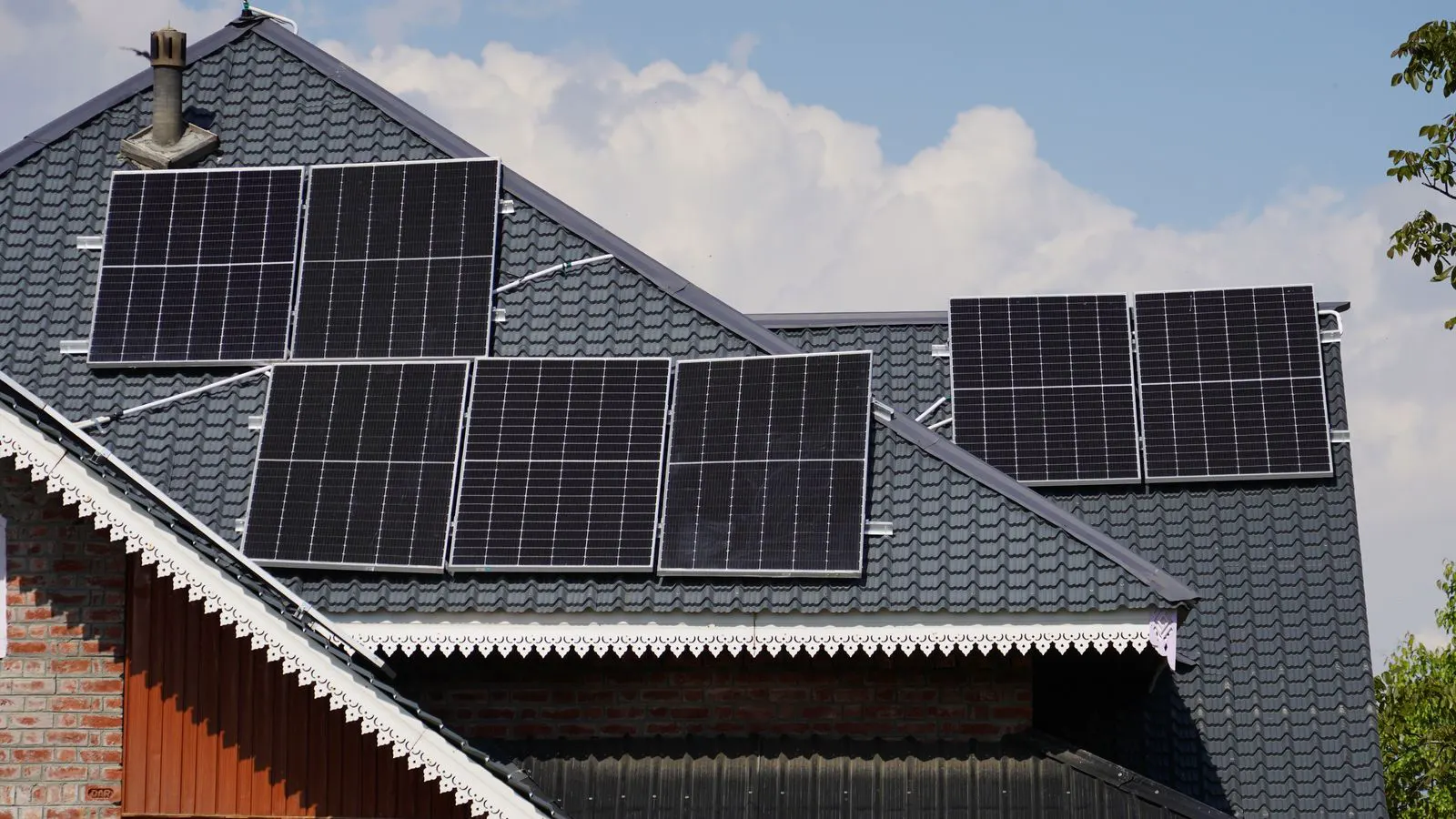
Explainer: How MLPE Changes Solar System Design Trade-offs

MLPE changes solar design by replacing central string logic with independent module-level conversion. This shifts trade-offs from electrical matching to physical layout, wiring length, and component count, directly affecting procurement lists and site-specific engineering decisions.
- Module level power electronics decouple individual panels from the rest of the array, removing the need for precise string matching.
- Design complexity moves from electrical calculations to physical layout, wiring management, and component sourcing.
- MLPE systems require different procurement strategies, focusing on individual unit compatibility and physical mounting rather than string sizing.
- Field maintenance and troubleshooting become more granular, as faults are isolated to single modules instead of entire strings.
- System designers must account for increased component count and the logistical impact on installation crews.
Module level power electronics (MLPE) represent a fundamental shift in how solar energy systems are architected. Instead of relying on a central string inverter to manage multiple panels connected in series, MLPE attaches a small inverter to each individual module. This architectural change alters the engineering constraints that drive design decisions. The primary shift is from electrical balancing to physical planning. Engineers no longer optimize for voltage drops or mismatched module performance within a string. They instead manage the physical footprint, wiring paths, and component count across the roof or ground mount.
The term module level power electronics covers microinverters and power optimizers. Microinverters convert DC power to AC power directly at the module. Power optimizers adjust the DC voltage at the module level but still feed a central string inverter. The distinction matters for design. A microinverter setup eliminates the need for a central inverter unit in many cases. Power optimizers still require a string inverter. Both technologies decouple module performance, but they change the electrical architecture differently.
How MLPE Changes the String Model
Traditional solar design relies on strings. A string is a series connection of multiple modules feeding a single inverter input. The number of modules per string is determined by the inverter’s maximum input voltage. Designers must ensure that the lowest performing module in the string does not drag down the output of the entire string. This creates a direct dependency between module selection and inverter selection.
With MLPE, the string model dissolves. Each module operates independently. The inverter on the microinverter side handles the optimal voltage for that specific module. The AC side connects to the grid or a central AC combiner. This changes the design logic. You no longer calculate string length based on peak sun hours or module degradation. You calculate based on the number of modules and the available physical space.
This shift affects how engineers approach system sizing. In a string system, the inverter capacity is matched to the total DC input of the strings. In an MLPE system, the AC output is the sum of the outputs of all individual microinverters. The grid connection and the main breaker are sized based on the total AC capacity. The DC side is no longer a single high-current path. It is a collection of low-current, low-voltage paths from each module.
Impact on Wiring and Physical Layout
The most visible change from an architectural perspective is the wiring. In a string system, you run thick DC cables from the array to the inverter. These cables carry significant current, especially at low voltages. In an MLPE system, you run individual DC cables from each module to its microinverter. These cables are thinner because the current is lower. The AC output from each microinverter is typically low voltage, similar to household wiring.
This changes the physical layout of the array. In a string system, modules are grouped into lines that feed a common inverter. The inverter is usually located at the edge of the array or in a central location. In an MLPE system, each module needs a clear path for its power electronics. This means the mounting structure must accommodate the weight and heat dissipation of the microinverter. The microinverter is usually mounted behind the module.
Wiring length becomes a critical design parameter. In a string system, you want to minimize the length of the DC run to reduce voltage drop. In an MLPE system, you have many short DC runs. However, the AC run from the microinverter to the main AC panel must also be considered. If the array is large, the AC cabling can become complex. Designers must plan the path of the AC cables to avoid interference and ensure proper grounding.
The physical layout also affects shading analysis. In a string system, shading on one module can reduce the output of the entire string. In an MLPE system, shading affects only the specific module with the microinverter. This allows designers to place modules in areas with partial shading without worrying about the penalty on the rest of the array. However, this also means that the physical placement of the microinverter must allow for proper airflow and thermal management.
Sourcing and Procurement Differences
Sourcing a string inverter is a single-point procurement. You select an inverter model, order the required quantity, and match it to the string design. The procurement is driven by electrical specifications: voltage range, power rating, and efficiency.
Sourcing an MLPE system is a multi-point procurement. You must source the microinverters, the mounting hardware, the wiring, and the AC combiner. The microinverter must be compatible with the specific module model. You must verify the electrical interface, the physical mounting dimensions, and the software platform. This adds a layer of complexity to the procurement process.
The procurement list changes significantly. Instead of a few large inverter units, you have hundreds of small microinverters. This changes the logistics. The weight distribution changes. The shipping volume increases. The risk of damage during handling increases. You must also consider the warranty terms. Microinverters are often sold with shorter warranties than string inverters. You must factor this into the total cost of ownership.
The compatibility check is a common point of failure. Engineers must verify that the microinverter supports the specific module’s electrical characteristics. This includes the maximum power point, the voltage range, and the current range. If the module and microinverter are not a match, the system will not function correctly. This requires careful review of the datasheets from both manufacturers.
Thermal and Reliability Considerations
Microinverters generate heat. They must dissipate this heat to maintain efficiency and reliability. In a string system, the inverter is a single point of heat generation. In an MLPE system, you have many points of heat generation. This changes the thermal design of the array.
The mounting structure must allow for airflow behind the module. If the microinverter is enclosed in a tight space, it will overheat. Overheating reduces the efficiency of the microinverter and shortens its lifespan. Designers must specify the clearance behind the module. This clearance is often larger than that required for a string system.
Reliability is a key factor. Microinverters have more components than a string inverter. Each microinverter has its own power electronics, sensors, and communication interface. This increases the failure points. However, the failure is localized. If one microinverter fails, it only affects that module. In a string system, a single inverter failure can take down the entire string.
The monitoring capability of MLPE systems is superior. Each microinverter reports its status individually. This allows for precise diagnostics. If a module is underperforming, you can identify the specific module and the specific fault. This simplifies troubleshooting. In a string system, you must isolate the string and then the modules to find the fault.
Designing for Mismatched Modules
One of the main reasons to use MLPE is to handle mismatched modules. Modules can vary in performance due to age, manufacturing tolerances, or physical defects. In a string system, the worst module in the string sets the performance limit for the entire string. This can result in significant power loss.
With MLPE, each module operates at its own maximum power point. The microinverter adjusts the operating point for that specific module. This means that a mismatched module does not drag down the performance of the others. You can mix new and old modules, or modules from different manufacturers, without worrying about the string efficiency.
This changes the design approach for retrofit projects. If you are adding new modules to an existing array, you can use MLPE to integrate them without redesigning the entire string. This is a significant advantage for commercial projects where the array is expanded over time.
However, mixing modules also affects the physical layout. If the modules have different dimensions, the mounting structure must accommodate the variations. If the modules have different weights, the structural load changes. The designer must verify the structural integrity of the roof or ground mount.
A Worked Example
Consider a commercial rooftop array with 100 modules. The roof has a complex shape with several small areas of shading. In a string system, the designer must group the modules into strings that avoid the shaded areas. The shaded areas must be placed in separate strings. This reduces the usable roof area. The designer must also ensure that the strings are of equal length to avoid voltage imbalance.
In an MLPE system, the designer can place the modules anywhere on the roof, including the shaded areas. Each module operates independently. The shaded modules will produce less power, but they do not affect the others. The designer can use the full roof area. The wiring is simpler, with shorter runs. The AC cabling is planned to avoid interference.
The procurement list includes 100 microinverters, 100 modules, the mounting hardware, and the AC combiner. The engineer must verify the compatibility of the microinverters with the modules. The thermal design must ensure that the microinverters have adequate airflow. The monitoring system must be set up to track each module individually.
The final system is more complex in terms of component count. But it is simpler in terms of electrical design. The physical layout is more flexible. The performance is more predictable. The maintenance is more granular. The trade-offs are clear. MLPE changes the design from an electrical problem to a physical and logistical problem.
Final Thoughts on Design Trade-offs
The shift to MLPE is not a simple upgrade. It is a change in the engineering discipline. The focus moves from voltage and current calculations to physical layout and component sourcing. The designer must think about the roof, the wiring, and the heat. The procurement team must manage a larger number of components. The installer must handle more individual units.
The benefits are clear. Higher energy yield, better shading tolerance, and easier maintenance. The costs are higher. The complexity is higher. The trade-offs must be evaluated for each specific project. A large, unshaded ground mount may not benefit from MLPE. A small, shaded rooftop may benefit significantly. The design decision must be based on the specific site conditions and the project goals.
Understanding these trade-offs is key to a successful MLPE system design. It requires a different mindset than traditional string design. The engineer must be comfortable with the physical aspects of the system as well as the electrical aspects. The result is a system that is more flexible and more resilient. It is a system that can adapt to the real world, not just the ideal case.
Frequently asked questions
Does MLPE require a central inverter?
Microinverters do not require a central inverter. Power optimizers do require a central string inverter. The choice depends on the specific technology and the project requirements.
How does MLPE affect the cost of wiring?
MLPE typically reduces the cost of DC wiring because the cables are thinner. However, it may increase the cost of AC wiring because there are more individual runs to manage. The net cost depends on the layout and the length of the runs.
Can I mix different module types in an MLPE system?
Yes, MLPE allows you to mix different module types. Each module operates independently. However, you must ensure that the microinverters are compatible with each module type.
What is the main disadvantage of MLPE?
The main disadvantage is the higher upfront cost due to the larger number of components. The system is also more complex to install and maintain. The failure points are more numerous.
How does MLPE impact system monitoring?
MLPE provides detailed monitoring at the module level. You can track the performance of each individual module. This makes it easier to identify and diagnose faults.