Microinverter Reliability Outlook for Distributed Solar
Microinverter reliability depends on thermal management, module compatibility, and maintenance access. Buyers should plan for component aging, firmware updates, and site-specific stressors. Long-term performance requires a focus on heat dissipation, warranty terms, and serviceability over initial cost.
- Thermal stress is the primary driver of module-level power electronics degradation.
- Maintenance access and serviceability affect total ownership cost more than upfront price.
- Firmware updates can change performance characteristics without physical modification.
- Site-specific electrical conditions demand careful inverter selection and sizing.
- Long-term reliability requires a documented approach to monitoring and intervention.
Why Module-Level Reliability Differs From String Systems
String inverters process power from many modules at once. A single unit failure stops the entire string or a large section of the array. This centralization creates a clear point of failure. Module-level power electronics, or MLPE, change that dynamic. Each module has its own power conversion stage. This isolation means a single bad panel or inverter failure does not drag down the rest of the array.
The trade-off is complexity. You are now managing hundreds or thousands of small electronic devices instead of a few large ones. Each unit has its own thermal environment, electrical interface, and maintenance needs. The reliability question shifts from “will the big inverter last” to “how do thousands of small units age under varied conditions?”
Buyers must understand that microinverter reliability is not a single metric. It is a collection of failure modes tied to heat, moisture, electrical stress, and mechanical vibration. The goal is not to find a unit that never fails, but to design a system where failures are rare, predictable, and cheap to fix.
How Heat Shapes Long-Term Durability
Heat is the most aggressive factor in electronic aging. Every semiconductor junction has a thermal limit. Exceeding that limit repeatedly accelerates material degradation. In a microinverter, the power stage, the inductor, and the output capacitor all generate heat. The enclosure traps that heat in a small space.
Roof-mounted panels create a harsh thermal environment. The panel surface gets very hot in summer. The microinverter sits on the back of that hot surface. Solar radiation hits the panel, transfers heat to the module, and the microinverter dissipates its own waste heat into the same trapped space. This creates a thermal stack effect.
Buyers should look at how the unit manages heat. Passive cooling relies on the enclosure and the panel surface. Some units use internal fans, but fans fail. They collect dust and add mechanical points of failure. A well-designed microinverter uses heat sinks, thermal interfaces, and enclosure geometry to move heat away from sensitive components.
The location on the roof matters as well. South-facing panels get intense sun. North-facing panels get less heat but also less power. A microinverter on a shaded panel may run cooler but also see higher relative humidity. The thermal profile changes based on tilt, orientation, and ventilation gaps between the panel and the roof.
What Failure Patterns Look Like in Practice
When microinverters fail, they usually do not fail in a dramatic way. There is no smoke or visible spark. The failure is electrical and silent. The unit stops converting DC to AC power. The module continues to produce DC voltage, but that energy is wasted. The monitoring system flags the unit as offline or low-output.
Common failure modes include capacitor degradation, power stage transistor failure, and communication interface loss. Capacitors dry out over time, losing their ability to smooth power flow. This leads to unstable output and eventual shutdown. Transistors can fail due to thermal stress, especially if the cooling path is compromised. Communication failure is often the most annoying because the power might still be flowing, but the unit is no longer reporting data.
The failure rate is not uniform across a system. Units at the edges of the array may age differently than units in the center. Units near roof penetrations face more moisture. Units in shaded areas may see higher relative humidity and condensation. Buyers should expect a distribution of failures over time, not a single mass failure event.
How to Evaluate Reliability Before Purchase
Spec sheets often list efficiency, power rating, and warranty length. They rarely list failure rates or mean time between failures. This is because those metrics vary by site and installation quality. You cannot read a single number and know how the unit will perform on your roof.
Instead, evaluate the design. Look at the enclosure material. Metal housings conduct heat away better than plastic. Check the thermal interface between the power stage and the heat sink. Ask about the warranty terms. A standard warranty covers defects in materials and workmanship. An extended warranty may cover performance degradation or repair costs.
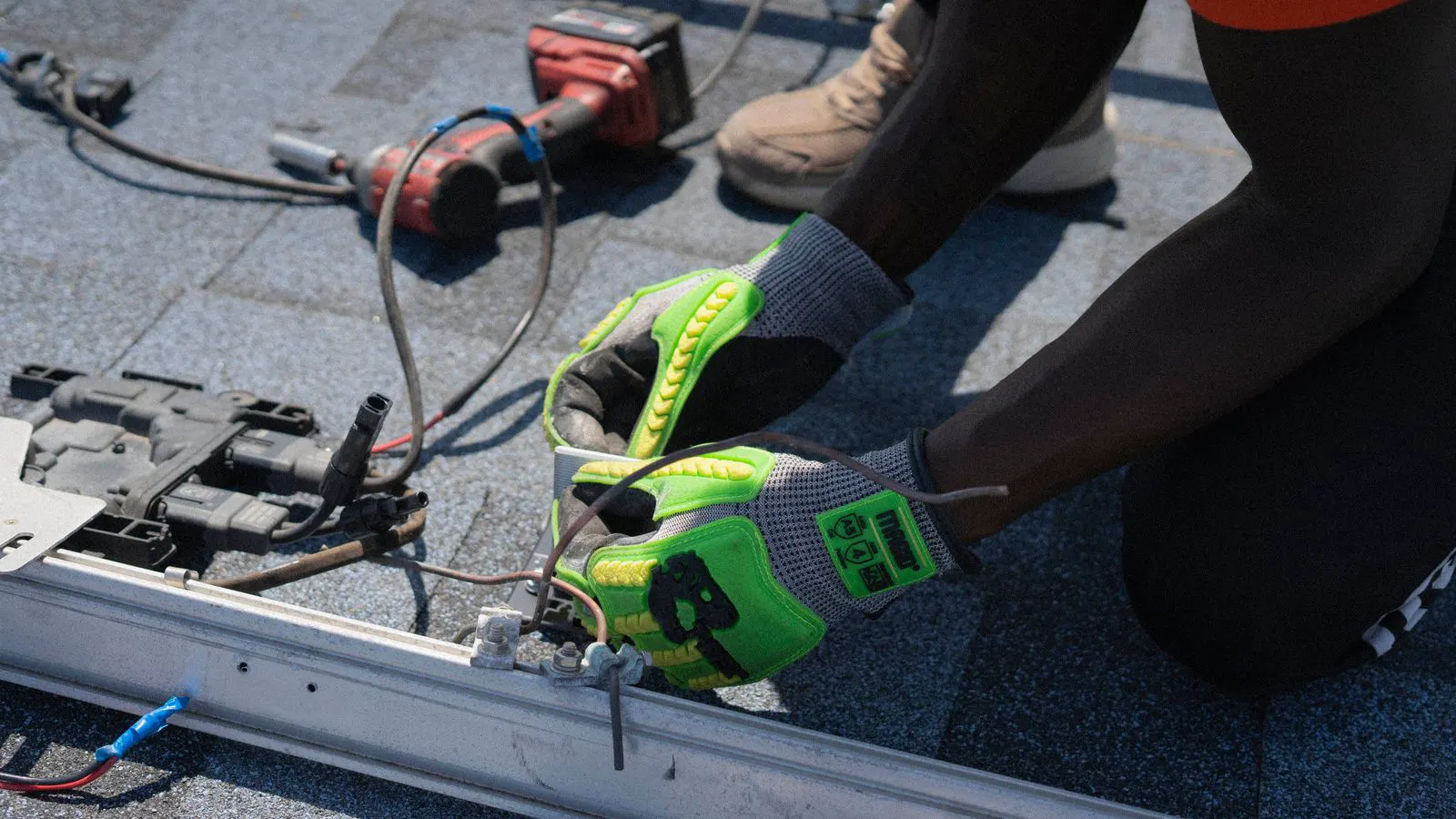
Serviceability is a hidden reliability factor. If a unit fails, can you replace it in minutes? Or does it require a ladder, a tool, and a long climb? If the unit is on a steep roof, the cost of failure includes labor, not just parts. A slightly more expensive unit that is easy to replace may save money over ten years.
Also consider the monitoring ecosystem. If the unit goes offline, how quickly do you know? Some systems flag individual units. Others only report aggregate output. A system that identifies the exact panel and unit allows for rapid intervention. A system that only shows a drop in total power forces a search through the array.
Five Shifts Buyers Should Plan For
-
From Upfront Cost to Total Ownership Cost. The initial price of the microinverter matters less than the cost of maintenance, replacement, and monitoring over the system lifetime. A system that is easy to service will have lower long-term costs.
-
From Static Hardware to Dynamic Firmware. Microinverters are not just hardware. They are software devices. Firmware updates can change performance, efficiency, and safety logic. Buyers must plan for updates and understand how they apply. Some units update automatically. Others require manual intervention.
-
From Single-Point Failure to Distributed Management. You are no longer managing one inverter. You are managing a fleet. This requires a different operational mindset. You need dashboards, alerts, and procedures for triaging individual units.
-
From Passive Cooling to Active Thermal Management. As solar module temperatures rise, passive cooling may not be enough. Buyers should consider units with better thermal design or installations with improved ventilation. The thermal environment is a design variable, not a constant.
-
From Warranty to Service Network. A warranty is only as good as the service network behind it. If the manufacturer does not have local technicians or a clear replacement process, the warranty is a legal document, not a practical solution. Check the service footprint before buying.
How to Prepare Your Project for Long-Term Durability
Start with the site assessment. Map the roof. Identify thermal hotspots, shaded areas, and access points. Note where the microinverters will sit. If the roof has poor ventilation, consider how that affects the thermal load. If the roof is steep, factor in the difficulty of future service.
Choose units based on serviceability. Look for quick-release mechanisms, standardized mounting, and clear labeling. If you are buying for a commercial rooftop, standardization is key. Use the same model across the array. This simplifies spares inventory and technician training.
Build a maintenance plan. Even with low-failure-rate units, you need a protocol. Schedule periodic inspections. Check for corrosion, loose connections, and physical damage. Keep a log of failures and replacements. This data will help you predict future needs and negotiate service contracts.
Finally, understand the electrical interface. Microinverters connect to DC modules and AC distribution. A poor connection at the module level can stress the inverter. A poor connection at the AC level can cause voltage drops. Ensure all connections are made to spec. Use proper torque values and quality terminations.
What to Ask the Supplier
Ask about the failure rate in similar climates. Not general failure rates, but specific data from regions with similar heat and humidity profiles. Ask about the warranty terms. Does it cover labor? Does it cover performance degradation? What happens if the unit is no longer sold?
Ask about the firmware update process. How are updates delivered? Can they be rolled back if a bug is found? What is the frequency of updates? Ask about the service network. Who performs the repairs? What is the typical turnaround time?
These questions are not about doubt. They are about due diligence. The supplier should answer them clearly. If the answers are vague, that is a signal. A reliable supplier has a process and a track record. They will provide details, not just sales pitches.
Final Considerations
Microinverter reliability is a function of design, installation, and maintenance. You cannot control the heat on the roof. You can control how the unit handles that heat. You cannot control the weather. You can control the quality of the connections. You cannot control the age of the electronics. You can control the service plan.
The goal is a system that performs consistently for its life. It does not need to be perfect. It needs to be manageable. When a unit fails, you want to know why, replace it quickly, and move on. The best microinverter is not the one with the highest efficiency on a spec sheet. It is the one that fits your site, your budget, and your operational capacity for the long term.
Frequently asked questions
How long do microinverters typically last?
Most units are designed for a lifespan of ten to twenty years. Actual life depends on thermal stress, maintenance, and installation quality.
Can a microinverter failure damage the solar module?
In rare cases, a fault in the DC interface can stress the module. Proper installation and quality components minimize this risk.
How do firmware updates affect reliability?
Updates can fix bugs and improve performance. They should be applied carefully to avoid introducing new issues.
Is it cheaper to replace a microinverter or repair it?
Replacement is usually cheaper and faster. Repairs require specialized tools and knowledge.
How do you monitor a large array of microinverters?
Use a monitoring platform that flags individual units. This allows for rapid identification of offline or underperforming devices.