Microinverters vs String Inverters for Shaded Rooftops
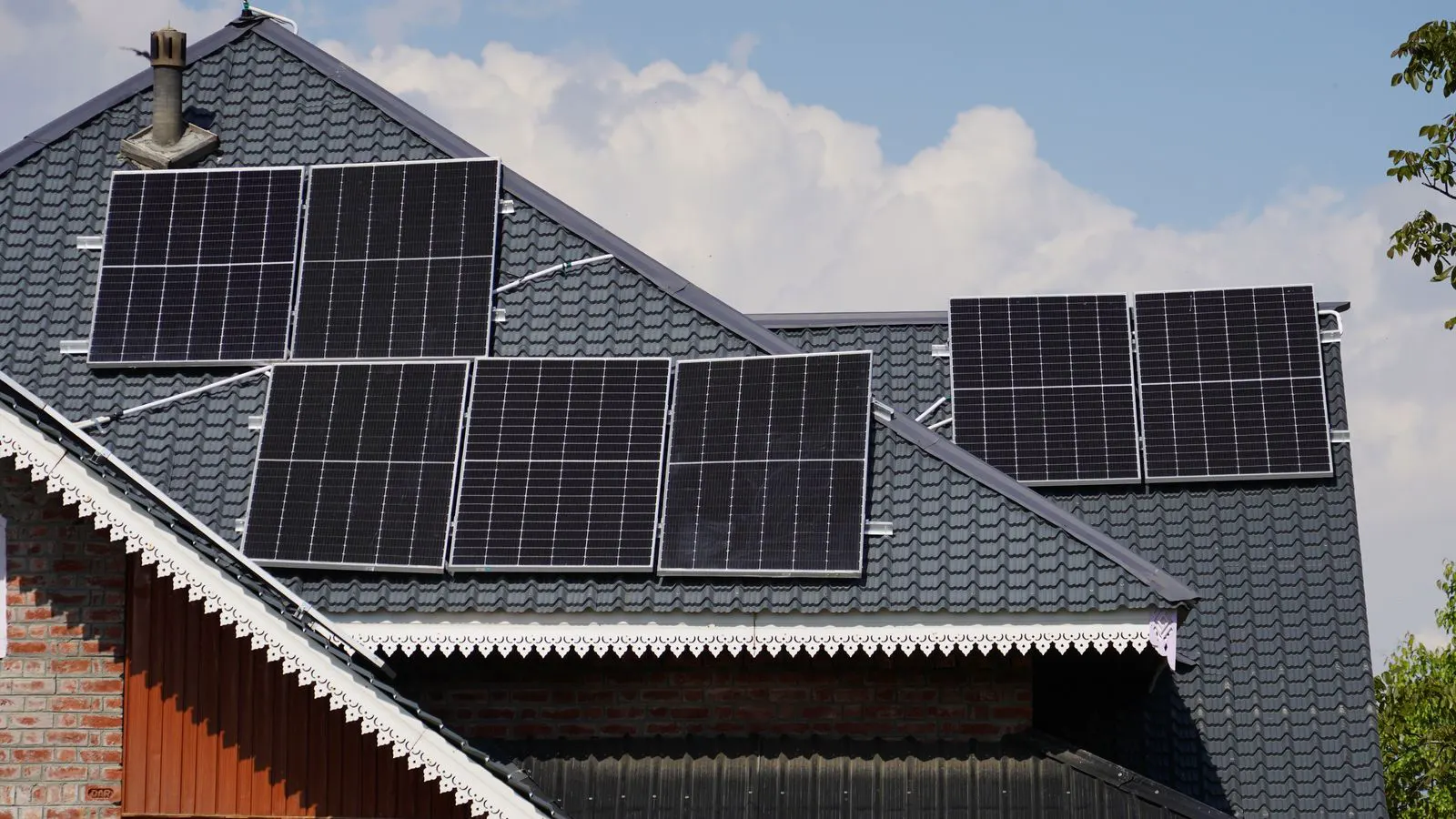
Shaded roofs cause mismatch losses in string inverters because one weak panel drags down the whole string. Microinverters handle each panel independently, reducing these losses. The choice depends on shading patterns, roof complexity, and maintenance access.
- String inverters suffer significant power loss when any panel in a series receives shade, while microinverters isolate each module.
- Microinverter systems require more wiring but offer panel-level monitoring and easier maintenance.
- String inverters remain cost-effective for uniform, unshaded roof areas with simple wiring.
- Hybrid inverter systems can balance cost and performance in partially shaded installations.
- Engineers should model shading patterns before selecting an inverter topology for optimal yield.
How Shading Affects String Inverter Output
A string inverter processes DC power from multiple solar modules connected in series. The inverter operates at the voltage and current level of the entire string. When one module in the series receives shade, the current through the whole string drops to match the weakest link. The inverter cannot bypass the shaded panel. It cannot boost the output of the remaining panels. The entire string produces less power than the sum of its individual contributions.
This behavior creates a direct trade-off. A string with ten modules, where one is shaded, may produce only 80 to 90 percent of its expected output depending on the shade intensity. The inverter sees the reduced string current and adjusts its operating point accordingly. No amount of inverter-level power conditioning can restore the lost current. The loss is fixed at the module level and propagates through the entire series circuit.
How Microinverters Handle Shading
Microinverters attach to individual modules or small groups of modules. Each unit converts DC to AC independently. When one module receives shade, only that specific microinverter reduces its output. The other modules continue producing at their rated levels. The AC power from each microinverter combines at the panel level or at the AC breaker panel.
This architecture eliminates the series current constraint. A shaded panel does not drag down its neighbors. The system output becomes a true sum of all individual module contributions. Engineers can model expected yield by calculating each panel’s output under its specific lighting conditions and adding the results. The math is straightforward. The physical wiring is more complex.
Microinverter vs String Inverter Comparison
| Option | Best for | Limitations |
|---|---|---|
| String inverter | Uniform, unshaded roof areas with simple wiring runs | High output loss when any panel in a string receives shade; no panel-level monitoring; harder to replace single underperforming panels |
| Microinverter | Shaded or complex roofs with varied panel angles and orientations | Higher upfront cost per watt; more wiring and connectors; greater number of electronic components to maintain |
| Hybrid inverter | Partially shaded roofs where cost and performance must be balanced | More complex system design; limited panel-level monitoring compared to full microinverter systems; still some string-level mismatch losses in DC strings |
| Optimized string with power optimizers | Budget-constrained projects with moderate shading | Optimizers reduce but do not eliminate mismatch losses; requires additional wiring and monitoring hardware; less granular control than microinverters |
| Full microinverter with DC optimization | Large commercial roofs with complex shading patterns | Highest upfront cost; extensive wiring; requires specialized commissioning and maintenance |
Performance Losses in Practice
The performance gap between these two topologies depends on how the shading is distributed. A string inverter on a uniform roof with no shade performs at its rated efficiency. The inverter itself has a small power loss, typically a few percent, from DC to AC conversion. That loss is constant regardless of panel shading.
A microinverter system on the same unshaded roof also performs near its rated efficiency. Each microinverter has its own conversion loss. The total system loss is similar to a string inverter, though the distribution of losses differs. The inverter electronics are smaller and operate at lower voltages, which changes the thermal profile.
When shading enters the picture, the numbers diverge. A string inverter on a roof with 15 percent of panels in intermittent shade may lose 10 to 15 percent of its theoretical yield. The shaded modules reduce string current, and the inverter cannot recover that power. A microinverter system on the same roof loses only the power that the shaded modules actually fail to produce. The remaining 85 percent of panels continue at full output. The microinverter system may still lose 8 to 12 percent of theoretical yield, but the loss is directly proportional to the actual shade coverage.
Wiring and System Complexity
String inverter installations use fewer wires. One DC positive and one DC negative run from each string to the inverter. The wiring is thick because it carries high current at low voltage. The number of connectors is low. The inverter is a single point of failure. If the inverter fails, the entire system produces no power.
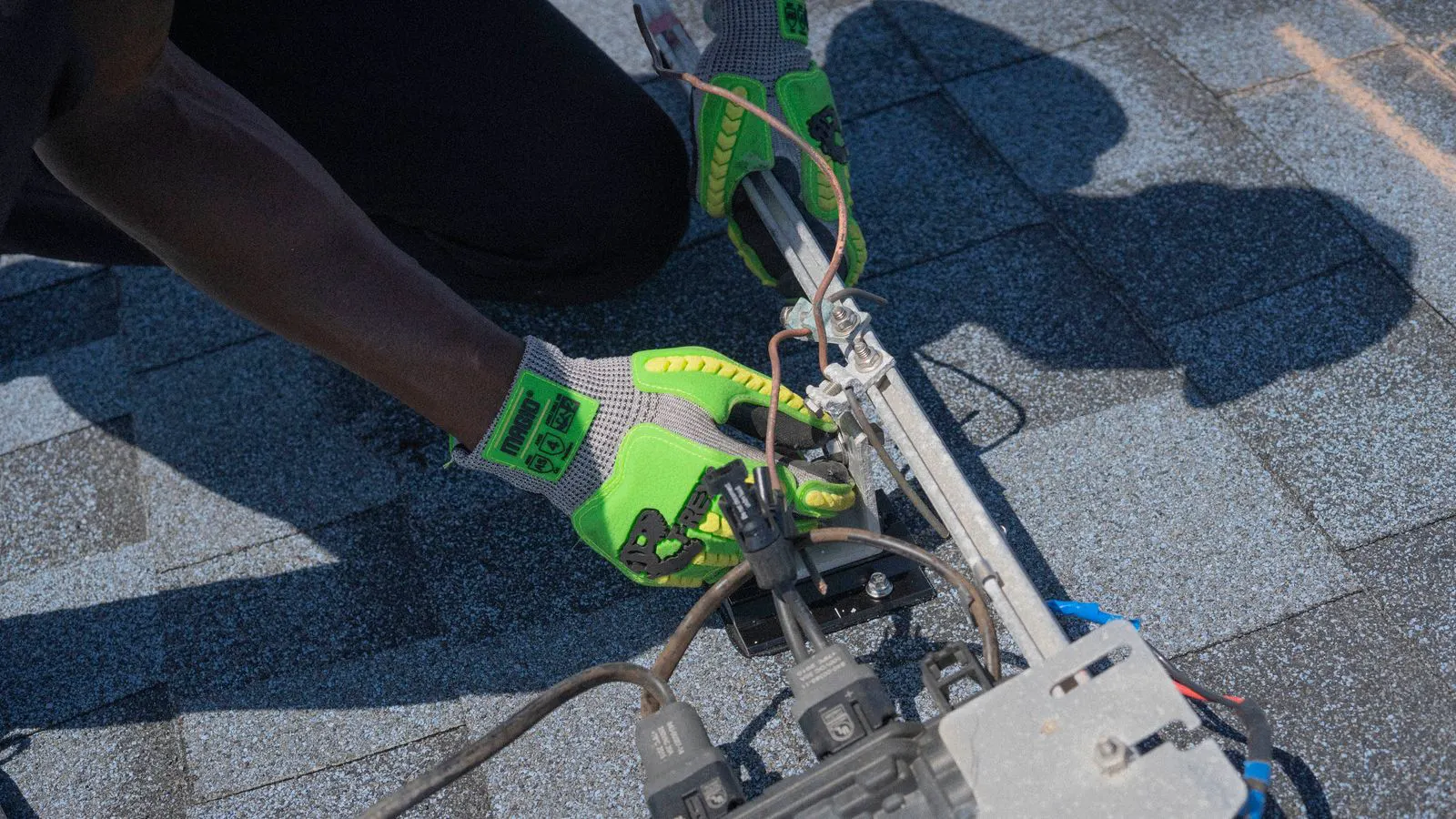
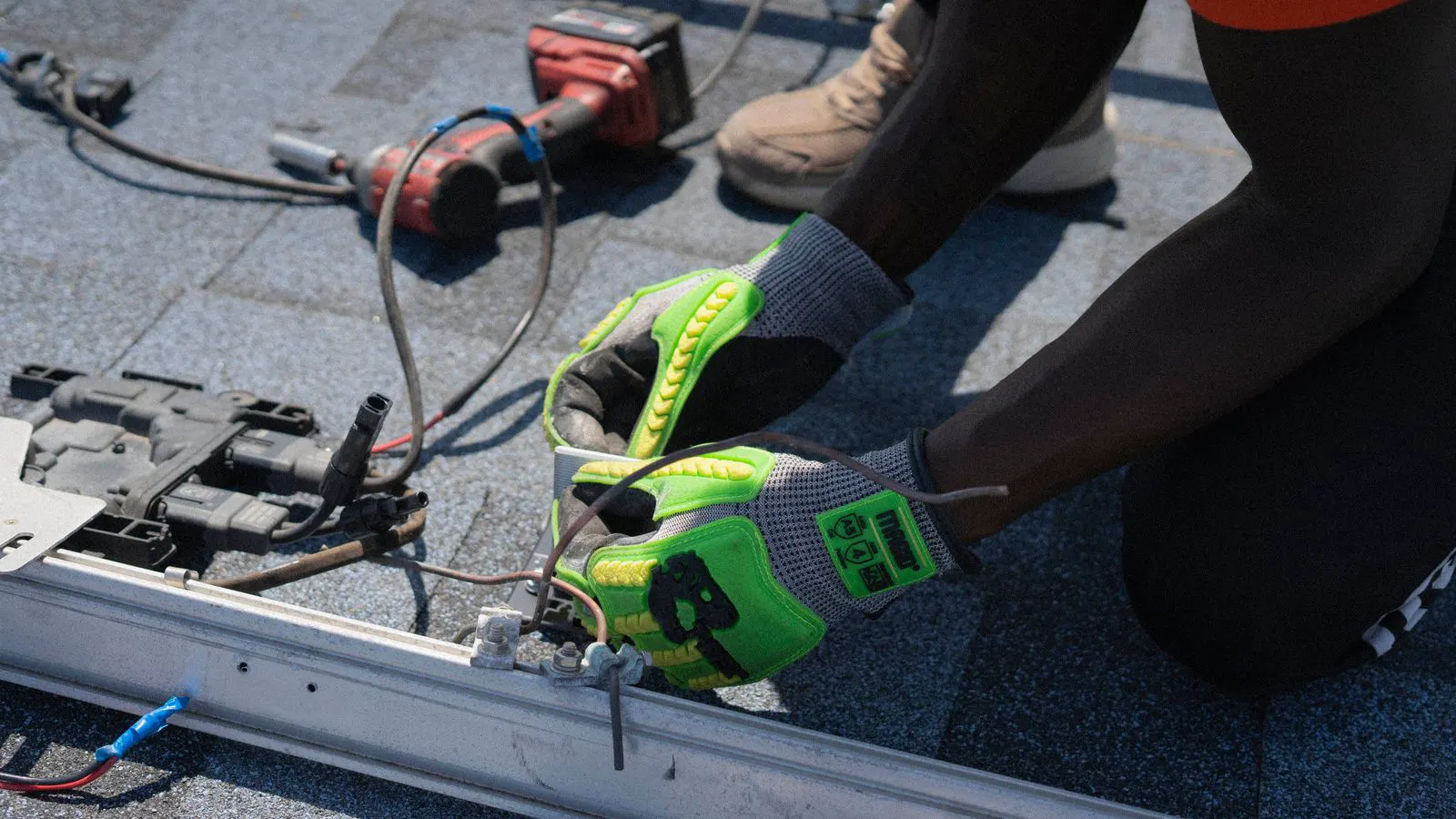
Microinverter installations use more wiring. Each panel or small group of panels needs its own DC run to the microinverter. The wires are thinner because they carry lower current. The number of connectors is higher. Each microinverter is a separate point of failure. If one microinverter fails, the rest of the system continues producing power. The failed panel produces no power, but the loss is limited to that single module.
The wiring complexity affects installation time and labor cost. A string inverter installation requires careful string balancing and polarity checks. A microinverter installation requires individual panel connections and microinverter mounting. Both require proper grounding and lightning protection. The microinverter system has more points where a connection can fail, but each failure has a small impact on total output.
Maintenance and Monitoring
A string inverter provides system-level monitoring. The inverter reports total DC voltage, total DC current, and total AC power. It may report string-level current if the inverter has multiple inputs. It does not report individual panel output. If production drops, the engineer must inspect panels visually or use a thermal camera to find the problem. The process is slower and less precise.
A microinverter system provides panel-level monitoring. Each microinverter reports its own output. The engineer can see which panel is underproducing and by how much. A shaded panel shows reduced output. A soiled panel shows reduced output. A failing cell shows reduced output. The diagnostic is immediate. The engineer can target the specific panel that needs service.
This difference matters over the life of the system. A string inverter system may operate for several years with a small string loss before the engineer notices the problem. A microinverter system reveals the problem on day one. The maintenance strategy changes. The engineer can track degradation on a per-panel basis and replace only the panels that need replacement.
When to Choose Each Option
Choose a string inverter when the roof is flat, unshaded, and has a uniform orientation. The modules are all identical and all receive the same sunlight. The wiring runs are short and simple. The budget is tight. The inverter cost is lower. The installation is faster. The system is easy to understand and maintain.
Choose a microinverter when the roof has trees, chimneys, vents, or adjacent structures that cast shadows. The roof has multiple orientations or slopes. The panels are not all in the same lighting conditions. The budget allows for higher upfront cost. The system will be monitored over many years. The engineer wants panel-level data.
Choose a hybrid inverter when the roof is partially shaded but not heavily shaded. The cost of a full microinverter system is too high. The string inverter would lose too much power. A hybrid system uses DC strings with power optimizers or a microinverter on the AC side. The design is a compromise. The performance is between a pure string system and a pure microinverter system.
Commissioning Checks for Shaded Roofs
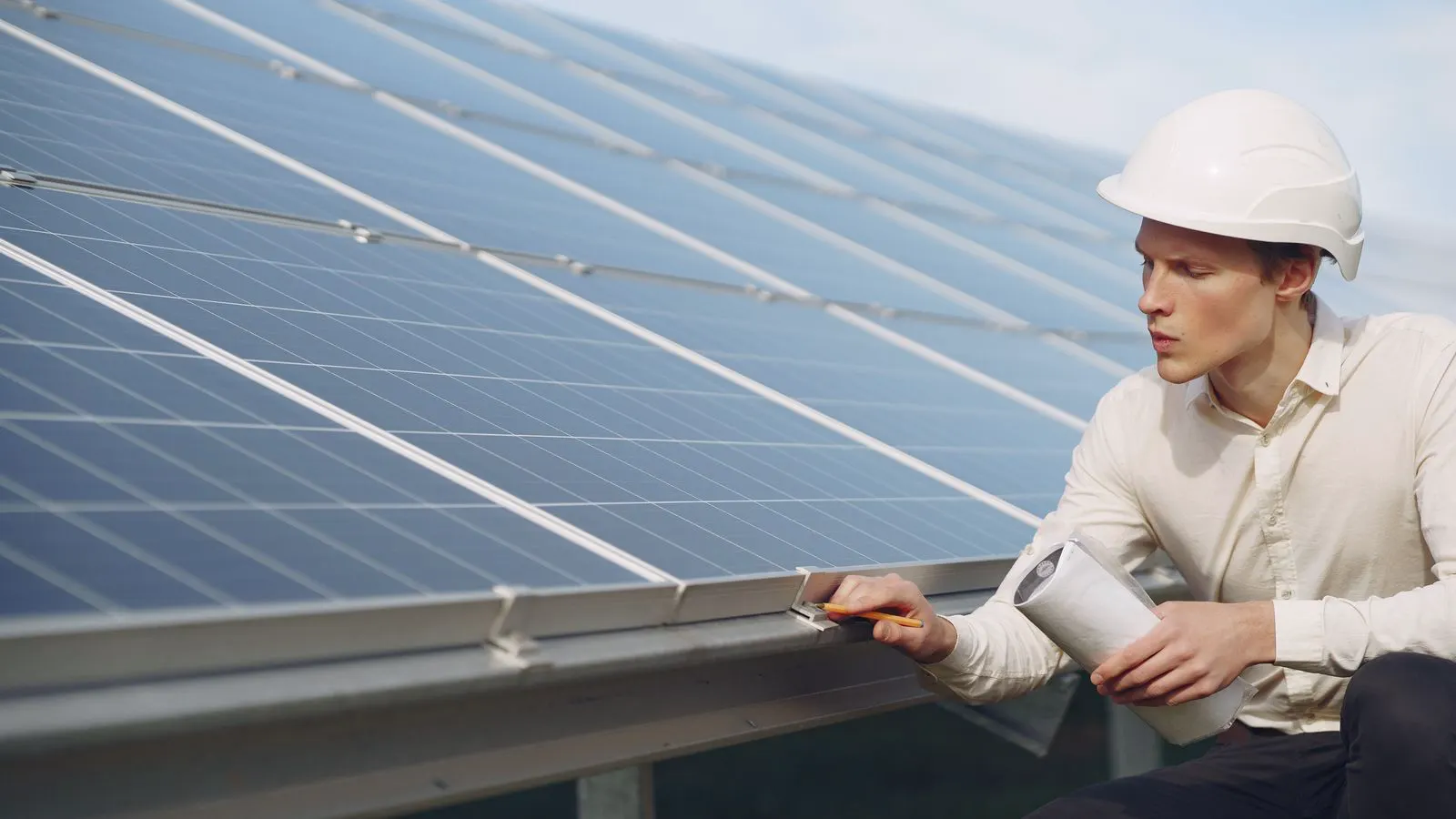
Before selecting an inverter topology, the engineer must model the shading. Use a solar path analysis to identify which panels receive shade and when. Note the time of day and the season. A tree that shades a panel in the morning may not shade it in the afternoon. The annual yield loss depends on the duration of the shade.
Next, map the roof geometry. Identify which panels are on which slope. Identify which panels face which direction. Note any obstructions. Create a panel-by-panel shading map. Use this map to estimate the expected output of each panel under a string inverter versus a microinverter.
Finally, check the electrical design. For a string inverter, ensure the string voltage and current are within the inverter limits. Ensure the wire size is adequate for the current. Ensure the disconnects are rated. For a microinverter system, ensure each panel connection is secure. Ensure the AC wiring can handle the combined output. Ensure the breaker panel has adequate capacity. Both systems require proper grounding and surge protection.
Frequently asked questions
Can a string inverter recover output from a shaded panel?
No. A string inverter operates at the current level of the weakest panel in the series. It cannot bypass the shaded panel or boost the output of the others. The loss is fixed at the module level.
How much does shading reduce string inverter output?
The loss depends on the shade intensity and how many panels are affected. A single shaded panel in a ten-panel string may reduce string output by 10 percent. Multiple shaded panels can reduce output by 30 percent or more.
Do microinverters have higher upfront costs?
Yes. Microinverters cost more per watt than string inverters. The additional cost comes from the number of inverter units, the wiring, and the monitoring hardware. The cost difference varies by project size and configuration.
Are microinverters harder to maintain?
They have more components, but each failure is isolated. A failed microinverter only affects one panel. A failed string inverter affects the entire system. The maintenance strategy differs, but the microinverter system is easier to diagnose.
What if the roof is only partially shaded?
A hybrid inverter system may be the best option. It combines DC strings with power optimizers or a central inverter with AC-side optimization. The performance is between a pure string system and a pure microinverter system. The cost is also between the two.