Outlook: The Future of String Inverters in Utility Scale Solar
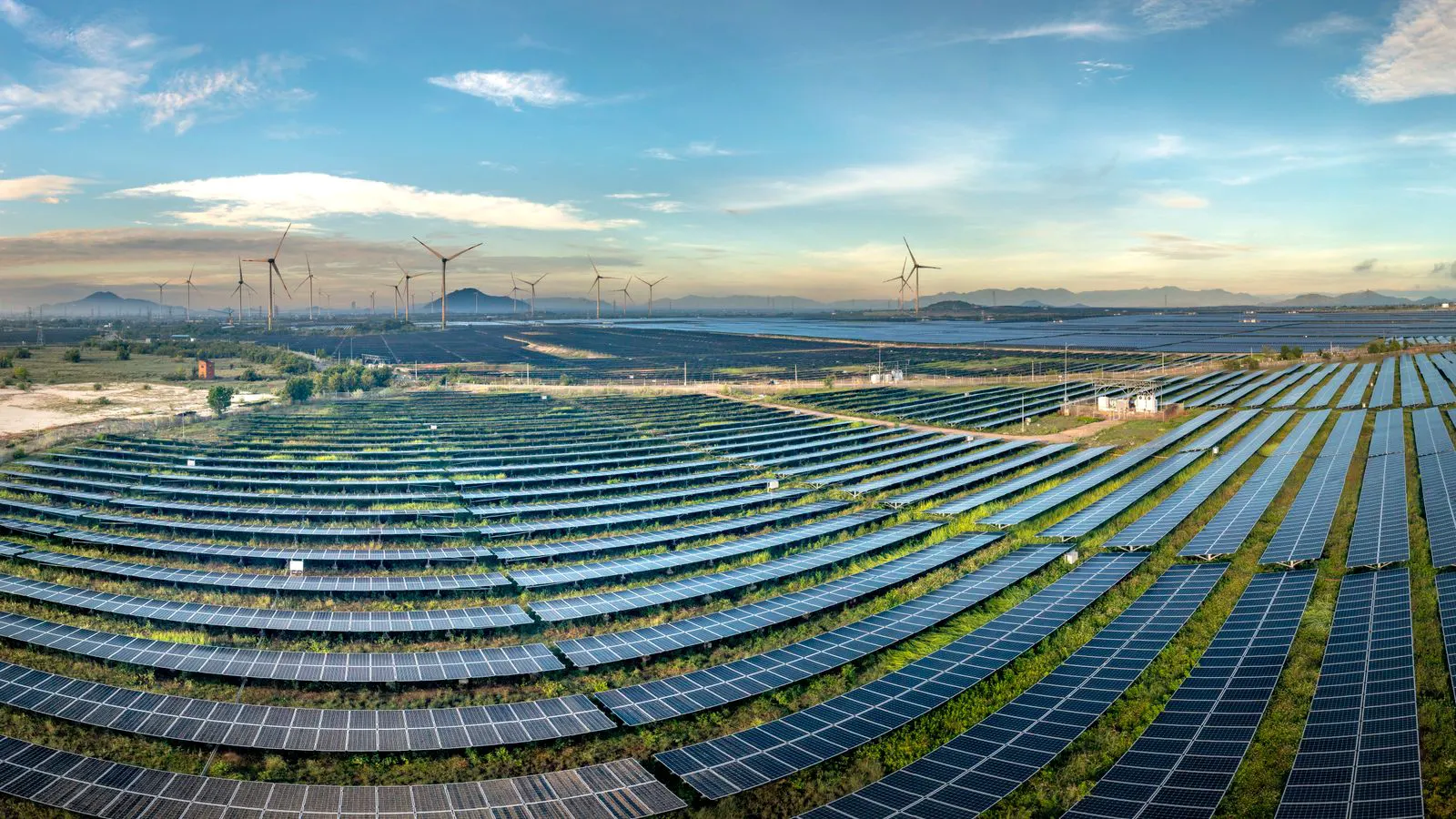
String inverters are moving toward higher efficiency, stronger grid compliance, and modular redundancy. Buyers should plan for tighter inverter stringing, improved cooling, and smarter monitoring to protect long-term energy yield and asset value.
- String inverter value is shifting from raw conversion power to reliability, cooling, and grid response.
- Buyers need to plan for modular redundancy and easier replacement of single units.
- Monitoring and diagnostics are becoming core parts of the inverter purchase decision.
- Cooling and enclosure design will affect long-term availability more than small efficiency deltas.
- Grid code evolution will drive new communication and protection features in future designs.
Where string inverters stand in utility scale solar
A utility scale inverter is no longer just a power conversion box. It is a grid interface device that must handle fluctuating loads, remote maintenance windows, and increasingly strict compliance requirements. String inverters have gained traction in utility projects because they distribute risk across many units. A failure in one cabinet does not stop a full field. This structure suits large sites where access is spread over long rows and where maintenance crews want to isolate faults quickly.
The market is moving from simple cost per watt to total cost of ownership. Buyers are weighing efficiency, availability, spare parts logistics, and the ability to replace a single unit without shutting down adjacent sections. The future of string inverter deployment will depend on how well manufacturers and integrators balance these factors.
How efficiency gains are changing procurement
Efficiency improvements are no longer limited to the power stage. New designs focus on reducing thermal losses, improving low-light performance, and managing peak power draw across the array. For a utility project, a small efficiency gain is meaningful because it compounds over thousands of strings and many years of operation.
Procurement teams are starting to look at efficiency in practical terms. They compare how an inverter behaves at low sun, high temperature, and partial shading. They check whether the design keeps output stable when one string or one panel group degrades. The focus is on real energy, not just peak nameplate ratings.
A buyer should ask how the inverter performs at the edges of the operating window. Many projects lose more energy in partial operation than they gain from a small efficiency delta at full sun. The inverter must manage that behavior without triggering alarms or reducing output unnecessarily.
What grid compliance will require next
Grid codes are becoming more detailed. Inverter protection, fault ride-through, and communication protocols are expanding to cover more failure modes. A utility scale inverter must not just convert power. It must behave in a predictable way during grid disturbances and during maintenance.
String inverters are adapting by adding more granular controls. They can manage individual string groups, detect abnormal current patterns, and report status to a central system. This gives operators a clearer picture of what is happening across the field. It also helps with insurance, compliance, and performance disputes.
Buyers should plan for more complex commissioning. Future units will likely require tighter coordination with the substation and with site-level monitoring systems. The inverter will need to exchange data in formats that match the grid operator’s requirements. This means the integration work at the substation and at the central monitoring station will grow in complexity.
How cooling and enclosure design will matter
A utility scale inverter often sits in a hot, dusty, and sometimes remote location. Cooling performance determines how long a unit can run at full output without derating. In the future, enclosure design will become a major part of the value proposition.
Manufacturers are exploring better airflow paths, sealed enclosures with improved filtration, and materials that handle thermal cycling. Some designs are moving toward higher serviceability, with filters and heatsinks that can be replaced without opening the full cabinet. This reduces downtime and makes maintenance less invasive.
Buyers should evaluate the thermal design before looking at price. A unit that derates in summer will produce less energy and may require more frequent service. The enclosure should be rated for the site’s ambient conditions, including dust, humidity, and temperature extremes. A good inverter will stay available through the hottest months.
What redundancy and modularity will mean for buyers
Modularity is one of the strongest trends in string inverter design. Future systems will likely offer easier replacement of individual power modules, control boards, and cooling components. This reduces the risk of long outages and makes spare parts planning more manageable.
For a utility project, modularity changes the spare parts strategy. Instead of keeping a full spare inverter, a site may keep a set of critical components. This lowers storage costs and simplifies logistics. It also makes it easier to keep a site running during a single unit failure.
Buyers should ask about module-level replaceability. Can a control board be swapped without replacing the whole cabinet? Can a power stage be replaced in the field? Can the system be expanded by adding new units without reconfiguring the entire array? These questions will shape the long-term flexibility of the project.
How monitoring and diagnostics will evolve
Monitoring is moving from basic status checks to predictive insights. Future string inverters will likely provide more detailed data on each string, each module, and each cooling component. This helps operators identify degradation before it becomes a problem.
A utility scale inverter will need to support remote diagnostics. Operators will want to see trends, not just alarms. They will want to know when a string is drifting out of expected performance, when a filter is clogged, or when a fan is running at reduced capacity. This data supports better planning and faster response.
Buyers should plan for a monitoring stack that can handle this level of detail. The inverter data should feed into a central system that can filter noise and highlight real issues. Without good processing, the data volume can become overwhelming. The value is in the clarity, not the raw number of data points.
How procurement will change
Procurement for a utility scale inverter is shifting from a single purchase to a long-term service agreement. Buyers are considering total availability, not just the initial price. They are asking about response times, spare parts availability, and the manufacturer’s ability to support a large fleet over many years.
This changes how contracts are written. A project may include service level targets, spare parts minimums, and clear replacement timelines. It may also include performance guarantees that are tied to real operating conditions, not just nameplate ratings.
Buyers should build these terms into the bid early. A low price is less useful if the inverter is hard to maintain or if spare parts are slow to arrive. The contract should reflect the reality of field operations.
Practical shifts buyers should plan for
The following shifts are likely to shape string inverter procurement in the coming years.
- Tighter efficiency expectations. Buyers will demand proof of real-world performance, not just peak ratings.
- Stronger grid compliance. Inverters will need to handle more complex grid events and report more detailed data.
- Modular redundancy. Systems will be designed for easier replacement of single components.
- Better thermal management. Cooling and enclosure design will be evaluated as seriously as power electronics.
- Predictive monitoring. Diagnostics will move from alarm-based to trend-based, supporting earlier intervention.
These shifts require preparation. A buyer should review the inverter’s thermal design, its replaceability, its monitoring output, and its compliance features before signing. The inverter will be in the field for many years. The decisions made at procurement will shape its performance and availability for the life of the project.
A comparison of current and future string inverter priorities
The table below shows how buyer focus is shifting from a basic utility scale inverter to a more advanced, service-oriented design.
| Priority area | Current focus | Future focus |
|---|---|---|
| Efficiency | Peak power conversion | Real-world energy across operating conditions |
| Reliability | Uptime of full inverter | Component-level replaceability and redundancy |
| Grid compliance | Fault ride-through | Detailed reporting and advanced protection |
| Cooling | Enclosure rating | Active thermal management and serviceability |
| Monitoring | Status and alarms | Predictive trends and component diagnostics |
| Procurement | Price per watt | Total cost of ownership and service terms |
This shift is not theoretical. It is already visible in project specifications and in the way integrators plan maintenance. The inverter is becoming a managed asset, not just a piece of equipment.
How to prepare your project for these changes
A practical preparation plan has four parts.
First, define the operating profile. List the ambient temperature range, dust levels, humidity, and expected maintenance windows. This data drives the thermal and enclosure requirements.
Second, specify the monitoring needs. Decide what data the central system must receive and how often. This prevents a situation where the inverter produces data but the site cannot use it.
Third, plan the spare parts strategy. Identify which components are critical and which can be replaced in the field. Keep a small on-site stock for the most likely failures.
Fourth, review the contract. Include service levels, replacement times, and performance terms that match the site’s operating reality. The contract should reflect how the inverter will be used, not just what it can do.
Final note on long-term value
The value of a string inverter in a utility project is not just the power it converts. It is the availability it provides, the data it gives, and the service it supports over time. A utility scale inverter will be judged by how well it performs in the field, not just in the lab.
Buyers who plan for efficiency, compliance, modularity, and monitoring will be in a stronger position. They will be able to protect their energy yield and reduce the risk of long outages. The future of string inverters is less about a single breakthrough and more about steady, practical improvements that make the asset easier to run.
Frequently asked questions
What should a utility buyer prioritize when selecting a string inverter?
Prioritize real-world efficiency, thermal design, replaceability, and grid compliance. These factors affect long-term availability and energy output more than peak nameplate ratings.
How will grid compliance affect string inverter design?
Grid compliance will require more detailed protection, better fault ride-through, and more granular reporting. The inverter must behave predictably during disturbances and provide data that matches operator requirements.
Is modularity more important for utility projects than for commercial ones?
Yes. Utility projects have larger fields and longer maintenance windows. Modularity reduces downtime and makes spare parts planning simpler.
What role does monitoring play in the future of string inverters?
Monitoring is moving from basic alarms to predictive insights. It helps operators detect degradation early and plan maintenance before a failure occurs.
How should a buyer structure the procurement contract?
Include service levels, spare parts minimums, replacement timelines, and performance terms tied to real operating conditions. The contract should reflect field operations, not just hardware specs.