Buyers Guide to Central and String Inverters for Commercial Solar
Selecting a commercial solar inverter requires balancing system efficiency, maintenance access, and degradation profiles. String inverters offer module-level optimization, while central units provide lower per-kilowatt costs and simpler grid interconnection. The right choice depends on site layout, monitoring needs, and long-term operational strategy.
- String inverters reduce losses from mismatched panels and simplify maintenance through smaller replacement units.
- Central inverters lower capital costs and simplify grid synchronization for larger, uniform installations.
- Evaluate temperature derating, string length limits, and monitoring granularity before finalizing the inverter architecture.
- Long-term operational costs and spare parts availability often outweigh initial hardware savings.
- Site-specific factors like roof access and shading dictate the optimal inverter configuration.
Which architecture fits the site layout
Central inverters consolidate power from many strings into a single or a few conversion units. The design assumes the array presents a predictable electrical profile. This setup works well when panels sit in large, uniform arrays with consistent orientation and shading. The converter sits in a central location, often a machine room or a dedicated enclosure near the transformer. Because the unit processes high voltage and high current, the DC cabling must be robust. Insulated conductors, proper crimping, and torque checks on lugs are non-negotiable. A loose connection at a central inverter terminal can overheat under load, creating a fire hazard that takes the entire system offline.
String inverters convert power at the end of each string or group of strings. They sit closer to the array, often on roofs or in open areas. This placement shortens DC cable runs and reduces resistive losses. It also isolates faults, so a problem in one string does not shut down the whole system. The physical layout of the roof dictates the placement. If the roof is flat and accessible, string inverters can be distributed across multiple points. If the roof is steep and difficult to access, the number of units may be reduced to limit labor costs, but this can increase the string length, which raises voltage levels.
For flat-roof commercial buildings, string inverters often fit better. Roof access is limited, and moving a large central unit up multiple floors is expensive and structurally challenging. Elevators may not accommodate the size and weight of a central inverter. If a lift is unavailable, a crane or manual carry is required, which adds significant labor and risk. For ground-mounted carports or open lots, central inverters can work well because the converter can sit at ground level near the substation. The ground mount also allows for better airflow around the unit, which helps with thermal management.
How to evaluate energy yield differences
Yield depends on how well the inverter matches the operating point of the solar array. Central inverters require all connected strings to be similar in size and exposure. If one string gets shaded while others do not, the entire group may operate below its ideal voltage. The inverter pulls current from the string with the highest voltage, but the shaded string limits the total current flow. This reduces total production. In a central setup, a single shaded module can drag down the performance of the entire string it belongs to.
String inverters allow each string to find its own optimal point. They can also incorporate power optimizers or microinverters at the module level, which cancels mismatches at the panel level. This is useful for sites with varied roof sections, partial shading from HVAC units, or different panel orientations. A rooftop array with a north-facing section and a south-facing section will have different production curves. A central inverter averages these, while string inverters track each section independently.
Temperature also affects output. Central units often have larger heat sinks and better thermal design, which can maintain higher efficiency in hot climates. However, they may be located in enclosed spaces where ambient temperature is high. If the machine room has poor ventilation or direct sun exposure, the inverter may derate its output to protect internal components. String inverters sit outdoors, so they handle direct sun and rain but can overheat if ventilation is poor. Check the ventilation gaps specified in the installation manual. Blocking these gaps with debris or improper mounting can cause the unit to shut down during peak summer days.
Check the inverter datasheet for maximum input voltage and current. String length limits are critical. Longer strings increase voltage, which can exceed the inverter limit or reduce current capability. A mismatch here forces you to add more inverters or shorten strings, increasing cost and complexity. Use the rated voltage of the modules and the number of modules per string to calculate the open-circuit voltage. Multiply by the maximum temperature of the site to ensure the voltage stays within the inverter’s absolute maximum rating.
What to check in the specifications table
Before comparing vendors, build a shortlist based on these core criteria. The table below lists the main factors to evaluate for each inverter type.
| Criterion | What to look for | Why it matters |
|---|---|---|
| Inverter efficiency | Peak efficiency and power conversion efficiency at low light | Directly impacts annual energy production and return on investment |
| Maximum input voltage | Highest DC voltage the unit accepts | Determines string length limits and cable sizing requirements |
| Temperature derating | Performance drop above rated ambient temperature | Affects output in hot climates or poorly ventilated enclosures |
| Monitoring granularity | String-level or module-level data availability | Helps identify faults early and protect revenue from bad panels |
| Maintenance access | Ease of replacement and service without shutting down the array | Reduces downtime and labor costs during the system life |
| Grid compliance | Certification for local interconnection standards | Ensures the system can connect to the utility without delays |
Sizing the inverter for the array
Sizing is about matching the inverter capacity to the DC array size. A common approach is to size the inverter at roughly 80 to 110 percent of the array’s rated DC capacity. This range accounts for temperature, shading, and time-of-use pricing. An inverter that is slightly larger than the array can continue to produce power during morning and evening hours when the array output is lower but the inverter is still efficient. This can increase the total energy captured for the day.
If you size the inverter too small, you lose production during peak sun hours. The inverter will hit its maximum AC output limit, and any excess DC power from the array will be wasted. If you size it too large, you pay for hardware you will never use, and the array may operate below the inverter’s optimal efficiency point in the morning and evening. The inverter will be operating at a low load percentage, where its efficiency is typically lowest.
For central systems, the inverter must handle the combined current of all strings. Check the breaker sizing and busbar ratings. Overloading the DC bus can trip the system or cause overheating. The internal busbar is designed for a specific current capacity. If the total string current exceeds this rating, the busbar will heat up, potentially damaging the solder joints or the power semiconductors. String inverters handle smaller currents, so they are easier to balance across multiple units. Each unit sees a manageable load, reducing thermal stress on the internal components.
Also consider future expansion. If the building owner plans to add panels later, choose an inverter architecture that allows for modular expansion. Adding a central inverter to an existing string setup can be difficult if the DC cables are already sized for the original load. The existing cabling may not support the additional voltage or current. It is easier to add another string inverter to an existing array than to upgrade the entire central system. Plan the physical space for future units as well. If the roof is full, there may be no room for additional string inverters.
Maintenance and operational costs
Central inverters are larger and more expensive to replace. A failure means shutting down a significant portion of the array. You need a spare or a quick service response to minimize downtime. The physical size also makes installation more labor-intensive. Lifting a heavy unit onto a roof or into a machine room requires specific equipment and safety protocols. The installation team must ensure the unit is level and properly secured to withstand wind and vibration.
String inverters are smaller and cheaper to replace. If one unit fails, only the connected strings go offline. This keeps the rest of the system producing. They are also easier to inspect and clean. Dust and debris on a string inverter on a roof can be addressed with a simple hose and brush. Regular cleaning prevents heat buildup and maintains efficiency. A central inverter in a machine room may accumulate dust on the heat sink, which reduces airflow and causes the unit to run hotter. Access to the heat sink may be restricted by other equipment in the room.
For commercial sites, labor costs add up quickly over twenty years. A string inverter replacement might take one technician and a few hours. A central inverter swap can require a crew, a crane, and a day or more of work. Factor this into the total cost of ownership, not just the initial purchase price. The cost of downtime also matters. If the site is a data center or a manufacturing plant, losing power for a day can cost more than the inverter itself. The architecture must match the criticality of the site.
When to choose which
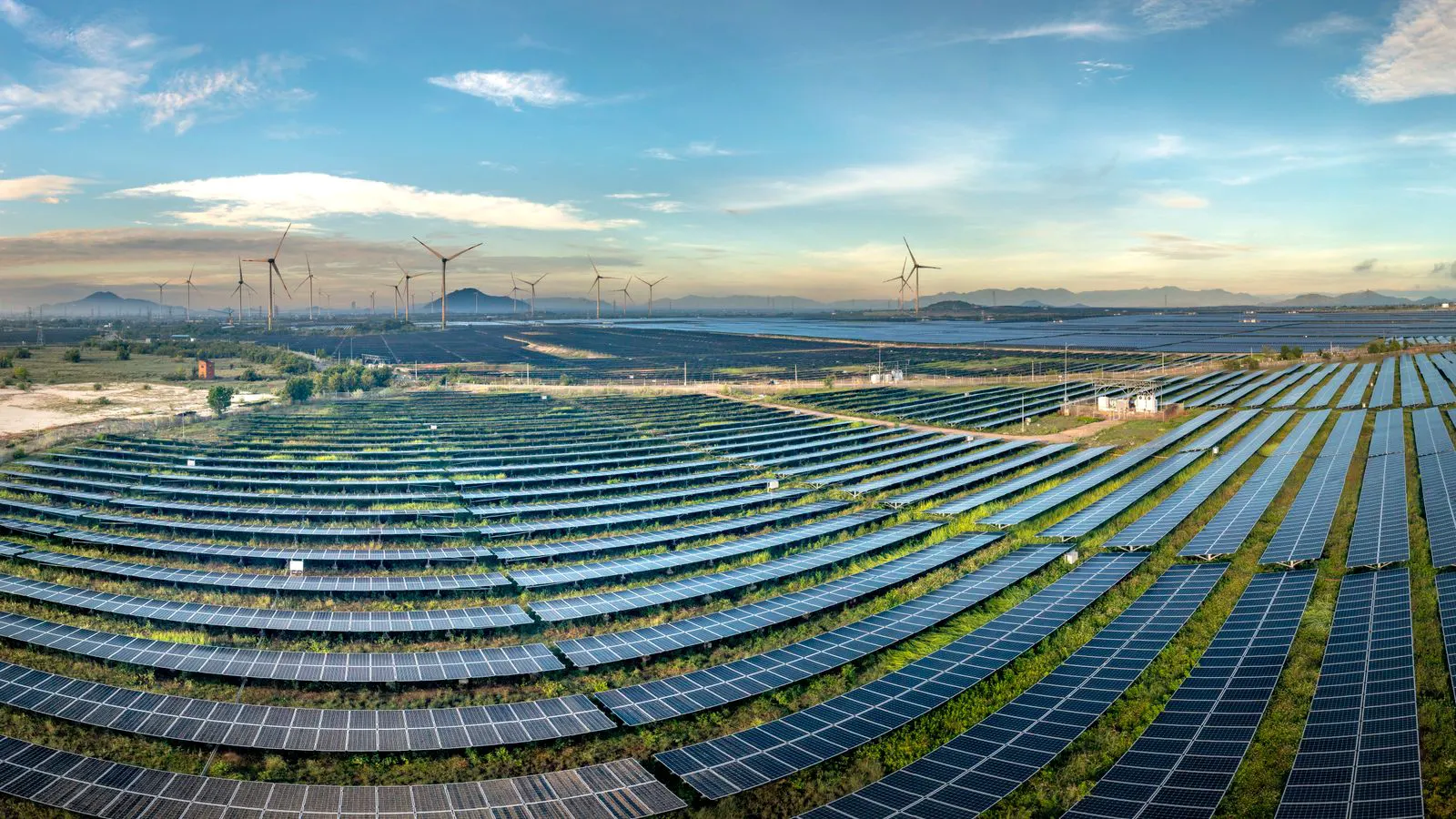
Central inverters make sense for large, uniform ground-mounted arrays where the goal is the lowest upfront cost per kilowatt. They are also preferred when the site has easy ground-level access for the converter and the transformer. The single point of failure is a risk, but it is manageable with good monitoring and maintenance contracts. Remote monitoring can alert the team to issues before they cause a full shutdown. Predictive maintenance based on temperature and performance trends can also extend the life of the unit.
String inverters are better for distributed rooftop installations, complex roof geometries, or sites with varying shading. They offer higher resilience and easier maintenance. The cost per kilowatt is higher, but the additional energy yield and lower downtime can justify the premium. In a distributed energy resource environment, the ability to operate multiple zones independently can be a strategic advantage. It allows for more flexible power management and easier integration with battery storage systems.
Decision checklist
Use this list to finalize your choice. Go through each point with your engineering team and site survey data.
- Map the site layout and identify roof or ground zones with different shading and orientation.
- Measure the total DC capacity and determine if it fits within the maximum input limits of the candidate inverters.
- Check the ambient temperature range at the site and review the derating curves for both inverter types.
- Estimate the maintenance labor cost for replacing a unit on the roof versus at ground level.
- Confirm that the inverter model is certified for your local grid interconnection standards.
- Request a ten-year maintenance and spare parts plan from the vendor to compare long-term costs.
- Verify that the monitoring platform supports string-level or module-level alerts for early fault detection.
Frequently asked questions
Can I mix central and string inverters in one commercial project?
Yes, but it increases complexity. You need to ensure the DC cables, breakers, and monitoring systems can handle both architectures. It is usually better to pick one type for the whole site to keep the design clean.
How does inverter placement affect cable costs?
Placing the inverter far from the panels increases DC cable length. Longer cables cost more and cause higher resistive losses. String inverters placed near the array reduce this cost significantly.
What is the typical lifespan of a commercial solar inverter?
Most commercial inverters are rated for ten to fifteen years of operation. Central units may last longer due to better thermal design, but string inverters are easier to replace before they fail.
Do string inverters require more monitoring points?
They do, because each unit generates its own data. This requires a larger monitoring platform to handle the data stream. However, it also provides more detailed fault isolation, which is valuable for commercial sites.
Is a central inverter better for grid compliance?
Central inverters often have simpler grid synchronization logic because they connect to the grid through a single transformer. String inverters can also be compliant, but you must ensure each unit meets the local interconnection standards for frequency and voltage support.