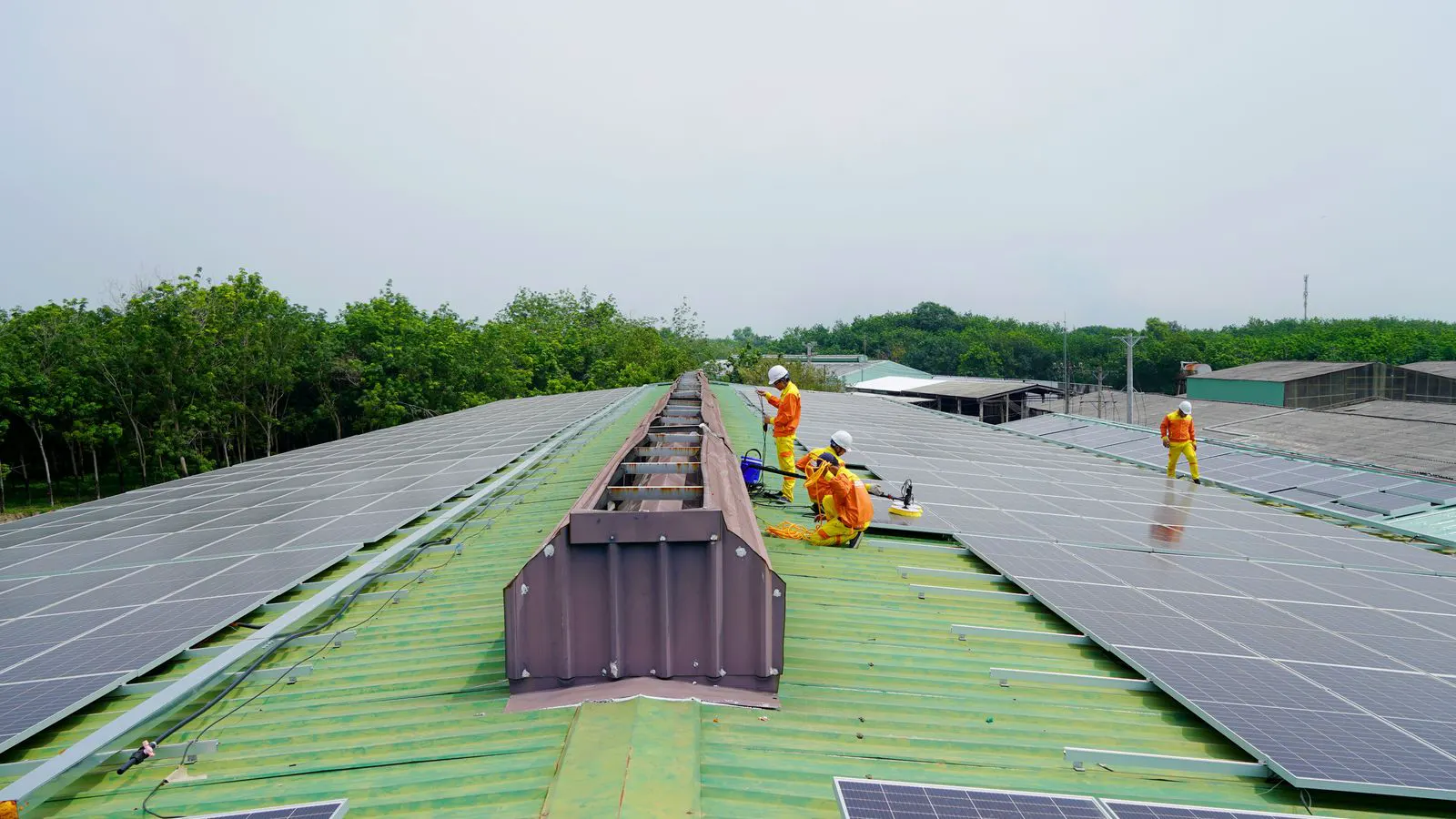
Troubleshooting String Inverter Faults in Commercial Solar Arrays
This guide details common string inverter faults in commercial solar installations. It lists symptoms, likely causes, and corrective actions in a table. It also covers prevention strategies for utility scale sites.
- Inspect string voltage and current balance before replacing inverter components.
- Verify DC breaker and contactor status to rule out simple hardware trips.
- Check grounding integrity to prevent isolation faults that shut down the inverter.
- Keep firmware and grid code settings updated to maintain compliance with local standards.
- Use string-level monitoring data to isolate degraded modules or wiring issues early.
A commercial solar array is a complex electrical system. A string inverter handles power conversion for a specific section of that array. When a unit trips or fails, it usually stops production for a defined group of strings. Operators need a systematic approach to find the root cause quickly.
This guide covers the most common faults seen in commercial installations. It focuses on practical steps for engineers and site technicians. The goal is to reduce downtime and protect the array from secondary damage.
Identifying the Initial Fault Symptom
The first step is to read the inverter display and local monitoring platform. Modern units provide specific fault codes. A general “AC Overvoltage” or “DC Isolation Fault” message points to a specific area of the power chain.
Check the site’s SCADA system first. Look for the exact timestamp of the trip. Compare this time with any grid events or weather changes. A sudden trip during a cloud cover event may indicate a rapid change in input power. A trip during a clear morning suggests a hardware or configuration issue.
If the inverter is offline, check the status of the local AC breaker and DC disconnects. Many commercial sites have automated disconnects that trip when they detect a fault. Verify that these breakers are closed. An open breaker isolates the unit from the grid or the array. This is a common and simple fix.
DC Side Issues and String Imbalance
A significant number of string inverter faults originate on the DC side. The inverter draws power from multiple parallel strings. These strings must operate within a specific voltage and current window.
A common issue is a mismatch in string output. This happens when one string has a faulty module, a loose connection, or is shaded while others are not. The inverter may trip to protect itself from excessive imbalance.
Check the string voltage and current data from the monitoring system. Look for strings that are significantly lower or higher than the average. A string that reads zero current while others are producing power indicates an open circuit. This is often caused by a broken MC4 connector or a failed module.
Inspect the physical wiring at the combiner box. Look for signs of heat damage, discoloration, or loose lugs. Tighten terminal connections according to torque specifications. Loose connections cause voltage drops and can trigger overvoltage or undervoltage faults.
AC Side and Grid Connection Problems
The AC side connects the inverter to the utility grid or microgrid. Faults here often involve the grid code compliance features built into the inverter.
An AC overvoltage fault occurs when the inverter output voltage exceeds the grid threshold. This can happen if the grid voltage is high or if the inverter is exporting power into a weak grid section. The inverter will stop exporting to protect the grid.
Check the grid voltage at the point of common coupling. If the grid is running high, the inverter may need to curtail output. Some units have a setting to allow higher voltage limits. Adjusting this setting requires engineering approval and may not be allowed by the interconnection agreement.
An AC undervoltage fault is the opposite. The grid voltage drops below the minimum threshold. The inverter disconnects to comply with grid code. This is often a temporary event. The inverter should automatically restart after the voltage stabilizes.
If the inverter trips repeatedly, check the AC breaker. A failing breaker may not hold the connection. Listen for clicking sounds. Look for burn marks at the contacts. Replace the breaker if it shows signs of wear.
Isolation Faults and Grounding
Isolation faults are a major concern in commercial solar arrays. These faults indicate a loss of insulation between the DC circuit and ground. The inverter detects this leakage current and shuts down.
The most common cause is moisture in a junction box or a cracked module. Water can create a conductive path to ground. This is dangerous and requires immediate attention.
To troubleshoot an isolation fault, isolate the DC sections. Disconnect half of the strings and restart the inverter. If the fault clears, the problem is in the connected half. Repeat the process until the faulty section is found. This binary search method is standard practice.
Check the grounding system. The DC ground conductor must be intact and properly bonded to the inverter chassis. A broken ground wire prevents the inverter from detecting a real fault. It may also allow hazardous voltages to build up on the array frame.
Inspect the inverter’s grounding lug. Ensure it is tight and free of corrosion. Test the ground resistance with a meter. The reading should be low, typically under a few ohms, depending on local standards.
Firmware, Settings, and Communication
Software and configuration errors can mimic hardware faults. A string inverter relies on firmware to manage power electronics and grid compliance.
An outdated firmware version may contain bugs that cause random trips. Check the manufacturer’s support site for the latest release. Apply updates during a scheduled maintenance window. Back up the current configuration before making changes.
Grid code settings must match the interconnection requirements. If the inverter is set to a different grid code than the utility requires, it may trip when grid conditions change. Verify the settings for voltage, frequency, and reactive power limits.
Communication errors can also cause the inverter to appear faulty. If the local monitoring unit loses contact with the inverter, it may report a fault. Check the communication cable, usually a serial or Ethernet line. Inspect the connector for damage. Ensure the IP address and port settings are correct.
Prevention and Regular Maintenance
Preventing faults is more cost-effective than repairing them. A scheduled maintenance program should include specific checks for string inverters.
Clean the inverter cooling fans and intake vents. Dust accumulation reduces cooling efficiency. This can lead to thermal shutdowns during hot weather. Use compressed air or a vacuum designed for electrical equipment.
Test the DC and AC breakers annually. Use a megohmmeter to check insulation resistance. This test identifies weak insulation before it causes an isolation fault. Record the results in a maintenance log.
Inspect the array wiring visually. Look for animal damage, UV degradation, or physical strain. Tighten connections on the combiner box terminals. A loose terminal can cause arcing and eventual failure.
Keep the site documentation up to date. Store the inverter settings, firmware version, and maintenance records in a central location. This information helps new technicians and simplifies troubleshooting during an outage.
When to Call for Professional Support
Some faults require specialized tools or expertise. If the inverter continues to trip after basic checks, contact the manufacturer’s support team. Provide the fault codes and any recent changes to the site.
Do not attempt to open the inverter enclosure unless you are a qualified technician. High voltage capacitors can store a dangerous charge even when the unit is powered off. Follow all lockout tagout procedures.
If the issue is with the grid side, coordinate with the utility provider. They may need to investigate their equipment or adjust grid parameters. A fault on the utility side is not the inverter’s responsibility.
Summary of Key Actions
Troubleshooting a string inverter requires a methodical approach. Start with the monitoring system to identify the fault code. Check the simple things first, like breaker status and power supply. Then move to more complex issues like string imbalance and isolation faults.
Prevention is the best way to avoid downtime. Regular maintenance, proper grounding, and firmware updates keep the system healthy. A well-maintained string inverter will perform reliably for the life of the commercial solar array.
Frequently asked questions
What is the most common string inverter fault in commercial solar?
Isolation faults are very common due to moisture or damaged modules. AC overvoltage is also frequent during high grid voltage events. Both require specific diagnostic steps.
Can a string inverter be repaired on-site?
Simple issues like loose connections or tripped breakers can be fixed on-site. Internal electronics or power stage failures often require replacement or specialized service.
How long does it take to troubleshoot a string inverter fault?
Basic checks take minutes. Complex isolation faults may take hours or days depending on the array size. A systematic approach reduces the time needed.
Do I need a qualified technician to work on a string inverter?
Yes. String inverters operate at high voltages. Work should be performed by qualified personnel following local electrical safety standards and lockout tagout procedures.
How can I prevent isolation faults?
Keep modules and wiring dry. Check grounding regularly. Inspect junction boxes for damage. Use quality MC4 connectors and ensure they are properly tightened.